News
Oil Prices Drop as Hopes Rise for Iran-US Peace Deal
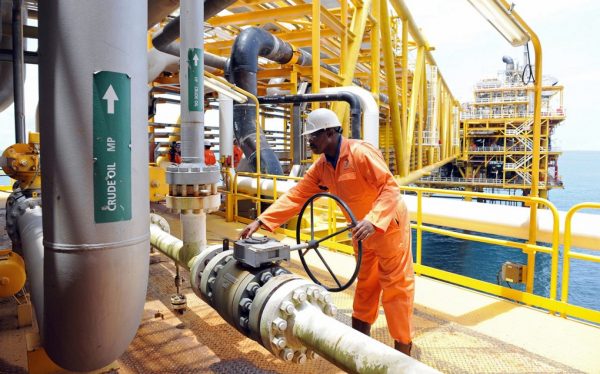
Oil prices took a sharp downturn on Tuesday, driven by mounting optimism over a possible diplomatic resolution between Iran and the United States, which triggered a sell-off in global crude markets.
Brent crude fell more than three per cent during intraday trading, while West Texas Intermediate dropped nearly four per cent, pushing Brent toward the $91 per barrel level. The decline followed reports that a draft peace agreement between Iran and the US had been submitted for review in Washington and described as “preliminarily acceptable.”
The development quickly eroded the geopolitical risk premium that had propped up oil prices in recent weeks, especially after earlier tensions raised concerns over supply routes in the Middle East and the strategic Strait of Hormuz. That waterway, through which about 20 per cent of global crude passes, had become a major focus for traders following disruptions that drove prices above $120 per barrel in late February.
At the time, fears of prolonged supply shocks triggered panic buying in energy markets. Tuesday’s slide marks a significant reversal, with traders now pricing in the possibility that easing tensions could stabilise supply flows and reduce the risk of further disruptions.
Market analysts say the shift reflects growing expectations of diplomatic progress rather than immediate supply concerns, though they caution that sentiment remains fragile. Any setback in negotiations could quickly reverse the current downward trend, given the still-volatile security situation in the Gulf region.
Energy markets reacted swiftly to the changing geopolitical signals and diminished supply disruption fears, with traders noting that the combination of easing tensions and shifting supply data continues to drive volatility.
In Nigeria, the state-owned oil company recently reported a sharp rise in revenue and profit, while the Dangote Refinery has gained from higher fuel exports. However, households are grappling with elevated fuel prices, which have added to inflationary pressures. Earlier conflict involving Iran had driven up fuel costs, worsening Nigeria’s inflation figures. A sustained fall in global oil prices could translate into lower fuel costs for Nigerians.