News
Abia Rural Projects Stall Despite N39.8m Mobilization Paid
Two key community development projects funded by the federal government in Abia State have failed to commence, despite the disbursement of nearly N40 million in mobilization fees to the designated contractors.
Public financial data indicates that the funds were fully processed on March 31, 2026.
However, subsequent physical inspections of the designated sites revealed zero development, missing construction equipment, and no active contractors on-site.
The stalled infrastructure leaves thousands of rural residents without access to basic essential services. The abandoned contracts target two specific local government areas in the southern region of the state.
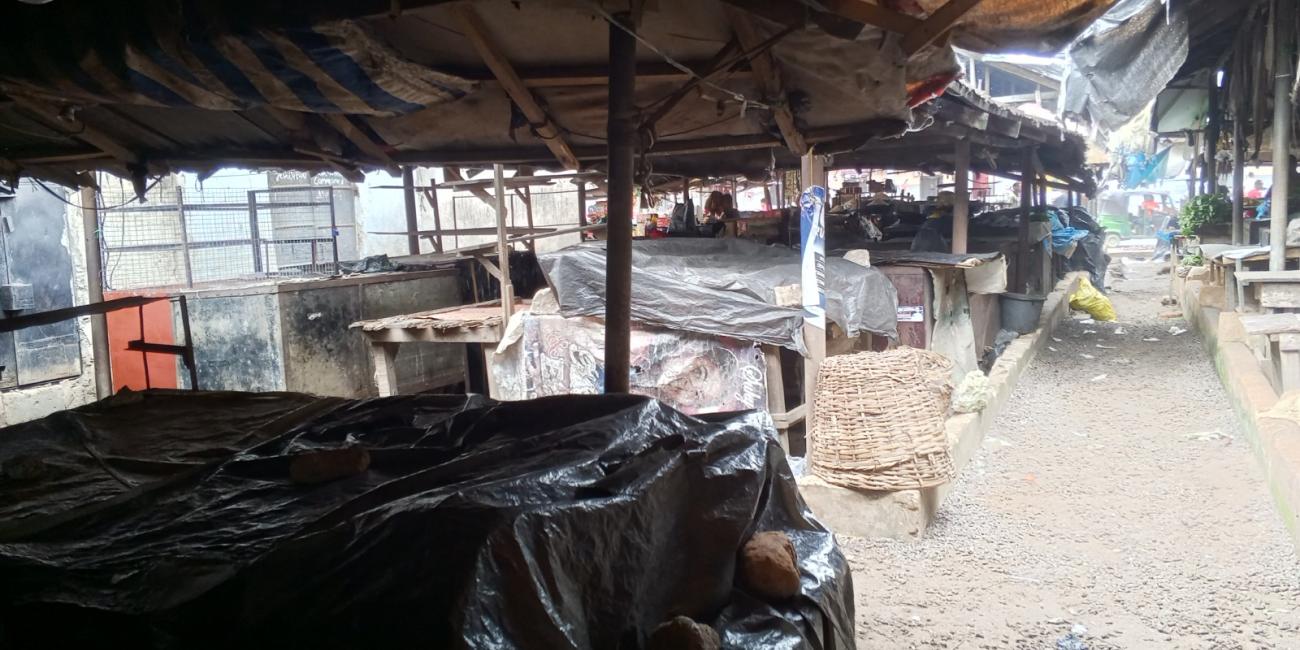
One project involves the reconstruction of Ahiankwo Market in Okpoloumuobo Ward 10, Osisioma Ngwa Local Government Area, which was awarded to Bavian Vogue Ltd with an upfront mobilization payment of N12.98 million.
The second project is the construction of a primary health centre at Osusu Umuelendu in Ugwunagbo Local Government Area, awarded to Bellevue Investments Ltd with a mobilization payment of N26.85 million. In Osusu Umuelendu, a rural community populated by over 2,000 citizens, residents are forced to rely on makeshift healthcare alternatives because the promised facility remains unbuilt.
The tracking data has also exposed structural anomalies regarding how the projects were handled. Both contracts were funneled through the Federal Cooperative College in Oji River, Enugu State.
Policy analysts point out that routing primary healthcare and commercial marketplace construction through an agricultural cooperative training college violates standard administrative sense. Building civic halls, medical hubs, and local markets falls completely outside the statutory academic mandate of the institution, raising immediate questions regarding accountability mechanisms and oversight.
Civil society groups and local community leaders are calling for urgent intervention from the Economic and Financial Crimes Commission (EFCC), the Independent Corrupt Practices and Other Related Offences Commission (ICPC), and the National Assembly Committees on Public Accounts.
There are growing demands for a thorough investigation to uncover why mobilization funds were distributed to contractors without ensuring project execution, and to hold both the contractors and the supervising agency accountable.
Officials have also urged citizens to scrutinize not only federal budget allocations, but also whether the executing agencies have the structural capacity and mandate to manage the public works assigned to them.