News
Over 1.3 Million Nigerian UK Visa Applications Rejected in Two Decades
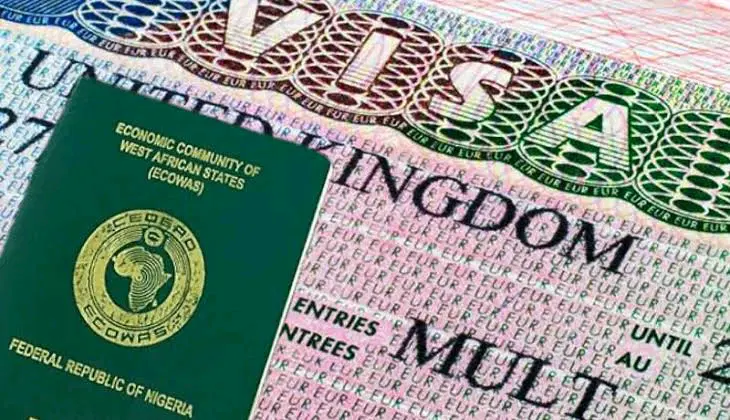
Official data from the United Kingdom Home Office reveals that over 1.34 million Nigerian visa applications were denied between 2005 and the first quarter of 2026. This significant figure positions Nigeria as having the second-highest number of visa refusals globally, trailing only India.
During this 21-year period, Nigerian applicants faced a cumulative refusal rate of 33.1 per cent, a figure more than double the UK’s global average of 14.8 per cent. Despite these high rejection numbers, Nigeria remains a top destination for UK travel, securing over 2.72 million approved visas during the same timeframe the third-highest total for any nationality worldwide.
The data indicates that visitor visas account for the majority of these challenges, representing nearly 84 per cent of all rejections issued to Nigerians. While approval rates saw a notable increase in 2022 and 2023, the trend has shifted recently due to stricter UK immigration policies. Adjustments made in 2024, such as a substantial increase in the minimum salary threshold for skilled worker visas and new restrictions on dependent rights for students and care workers, have contributed to a decline in application volumes and a tightening of the approval process.
Analysts point to the country’s ongoing economic struggles as a primary driver behind the consistent surge in “Japa” or emigration trends, which has kept the volume of visa applications high. Experts suggest that the high frequency of rejections is often linked to the scrutiny of financial evidence and the demonstration of genuine intent to return home, criteria that carry significant weight for applicants from nations deemed to have high emigration risks.
Although the sheer volume of rejections is considerable, observers note that it is balanced against a high number of successful applications. Nevertheless, with refusal rates climbing again in early 2026, the data highlights the ongoing friction between the high demand for international travel among Nigerians and the increasingly stringent entry requirements set by UK authorities.