International
Australia becomes first nation to ban social media use for children under 16
In a decisive move to safeguard young people’s wellbeing, the government of Prime Minister Anthony Albanese has approved a nationwide ban preventing children under 16 from using social media platforms.
The measure, one of the first of its kind globally, follows the passage of the Online Safety Amendment (Social Media Minimum Age) Bill 2024 and is set to take effect on 10 December.
The new law is designed to protect children’s mental health and give parents greater oversight of their children’s online engagement.
Prime Minister Albanese described the legislation as a “world-leading social media law” aimed at “letting kids be kids” and reducing exposure to harmful online content.
“This law is about letting kids be kids,” the Prime Minister stated. “We want to make sure children can grow up safely without being exposed to content and interactions that can harm their mental health or development.
It’s about protecting children and giving parents greater control.”
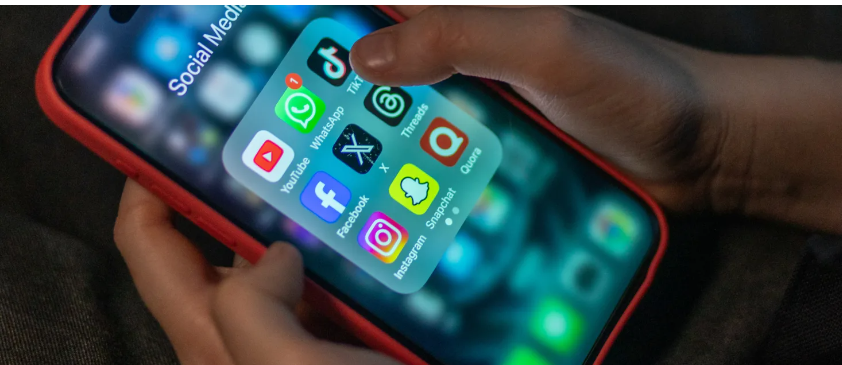
Under the new framework, major social media companies including Instagram, Facebook, TikTok, X (formerly Twitter), Snapchat, YouTube, Reddit, and Kick must take reasonable steps to prevent underage users from opening accounts.
These companies are now required to verify users’ ages and ensure compliance with Australia’s new minimum-age standard.
Most social media platforms currently allow users aged 13 and above, but studies show that many children younger than that still maintain active accounts, often without parental supervision.
The new measure responds to long-standing concerns that weak enforcement of existing age limits has left children vulnerable to online harm.
The Australian eSafety Commissioner will oversee enforcement and ensure compliance, with powers to impose penalties on companies that fail to meet their obligations.
The government said the new law forms part of its broader strategy to address digital safety, online addiction, and exposure to harmful content among minors.
Already, parent advocacy groups have broadly welcomed the ban, describing it as a timely intervention in an era when social media plays a major role in shaping young minds.
Many parents say they hope it will prompt more open family discussions about responsible online behaviour.
Technology companies, however, have expressed uncertainty about the practical implementation of the law.
Industry experts note that verifying the age of every user will require new systems that could raise privacy and data security concerns.
Some have also suggested the use of Artificial Intelligence (AI) or third-party verification tools, though such methods remain controversial.
Online safety researchers and health experts have repeatedly warned that heavy social media use can increase anxiety, depression, and exposure to cyberbullying among teenagers.
A growing body of evidence has linked constant online engagement with disrupted sleep patterns, attention difficulties, and low self-esteem in children.
At the same time, some digital rights advocates argue that social media can offer educational resources, creative outlets, and community support networks for young users, particularly those from marginalised backgrounds.
They have called for a balanced approach that combines restrictions with digital literacy education.
The Albanese administration has said the legislation will be reviewed regularly to assess its effectiveness as technology evolves.
The government also plans to collaborate with international partners to create shared frameworks for child online protection.
Other nations are closely watching Australia’s approach. Denmark and Norway are both considering similar restrictions for users under 15, while the European Union continues to refine regional standards on data protection and children’s digital wellbeing.
Prime Minister Albanese emphasised that the move represents a broader effort to ensure the interests of children come before corporate profits.
“We cannot continue to allow social media companies to decide what’s safe for our kids,” he said. “This law sends a clear message – children come first.”