
News
ECOWAS Court to Hear $50m Suit By Nigerian Death Row Inmate
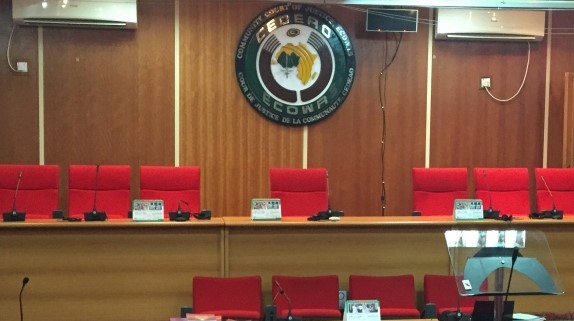
The Community Court of Justice of the Economic Community of West African States (ECOWAS Court) has ruled that it possesses the mandatory jurisdiction to hear a fundamental human rights lawsuit brought against the Federal Republic of Nigeria by a Delta State death row inmate, Mr. Orikri Rhahor.
In an official document released by the court’s registry, the regional tribunal dismissed a preliminary objection filed by the Nigerian federal government, which had sought to stop the case on the grounds that it interfered with domestic criminal justice administration. Instead, the court declared the inmate’s multi-million dollar lawsuit fully admissible for determination on its merits.
Mr. Rhahor, who is currently being held at the Warri Medium Security Custodial Centre in Delta State, filed the suit following his conviction and death sentence by hanging delivered on July 10, 2024, by a Delta State High Court sitting in Effurun.
Through his legal counsel, Andrew Elekeokwuri, the inmate claims that his trial violated standard international safeguards for a fair hearing, personal liberty, and human dignity. The applicant specifically alleges that the domestic court relied almost exclusively on unchallenged prosecution evidence while failing to evaluate his structural defense.
In its legal defense, the federal government argued that the regional body lacked competence to adjudicate because the matter originated from domestic criminal proceedings, asserting that the ECOWAS Court is neither an appellate court nor an entity vested with criminal jurisdiction over member nations.
However, a three-member panel of the ECOWAS Court, presided over by Justice Ricardo Cláudio Monteiro Gonçalves, rejected the government’s stance. The panel clarified that while the regional court cannot act as an appellate body to overturn domestic court verdicts, it maintains clear authority to inspect whether the actions or decisions of national judicial systems result in the breach of internationally protected human rights.
The court ruled that because Rhahor identified himself as an alleged victim of a human rights violation, and because the case has not been filed before any other international tribunal, it meets the requirements under the regional protocols.
Rhahor is seeking a declaration that his trial violated his fundamental rights, an official order for his release from the custodial center, and $50 million in monetary damages. The resolution of this preliminary challenge means the regional court will now schedule a date to hear the substantive merits of the lawsuit.


