News
Government Panel Exposes Prison Feeding Corruption, Recommends Steep Allowance Increase
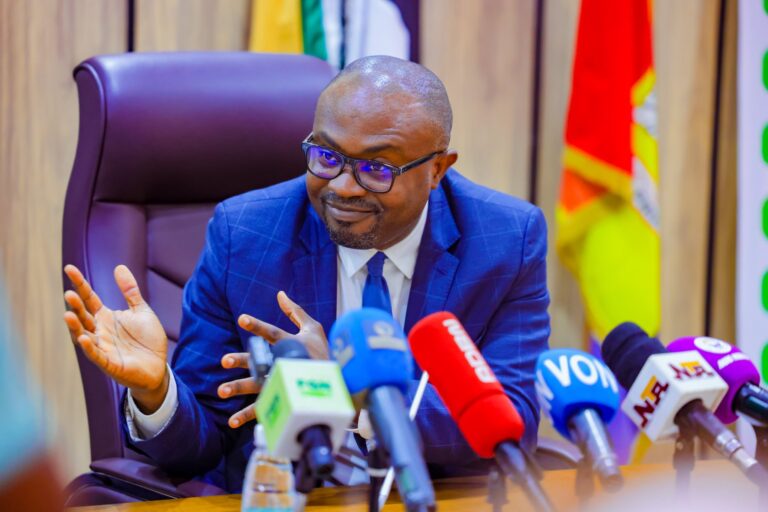
An independent investigative panel appointed by the federal government has uncovered systemic corruption, widespread inmate malnutrition, and contract inflation within the Nigerian Correctional Service (NCoS). In response to severe deficiencies in prison welfare, the panel has recommended an immediate increase in the daily inmate feeding allowance from ₦750 to ₦3,000.
The findings were detailed in a final report submitted to the Minister of Interior, Olubunmi Tunji-Ojo, following a comprehensive investigation launched in late 2024. The panel evaluated 86 custodial facilities across 23 states and the Federal Capital Territory, revealing that inadequate budgeting combined with contract manipulation has led to critical health crises among inmates, including documented cases of starvation and related fatalities in some regional facilities.
Key Findings of the Investigation
The panel’s report highlighted several institutional failures and fraudulent schemes within the prison procurement system:
Contract Subcontracting: Food supply contracts were frequently awarded to companies located far from the target facilities. These companies routinely subcontracted the tasks to local prison officials at heavily discounted rates, pocketing the profit margins while delivering substandard food rations.
Conflict of Interest: Many of the front companies securing these contracts were linked directly to past and current senior correctional officers, politicians, and high-level public figures.
Artificial Overcrowding: The investigation revealed an institutional incentive to maintain high inmate populations. Because profit margins are tied to the volume of food rations awarded, certain officials actively resisted non-custodial sentencing measures and underutilized prison farm centers to protect contract revenues.
Contract Divergence Example: When the official government feeding allocation stood at ₦750 per inmate daily, subcontractors reportedly compressed the actual food budget down to ₦460 for the prison floor. Similarly, following a budget adjustment to ₦1,250, local centers were only allocated ₦600 per inmate by the primary contractors.
Recommended Reforms
To address the humanitarian and financial issues within the correctional system, the panel outlined a series of mandatory actions:
1. Immediate Allowance Adjustments: Elevate the base daily feeding allowance to **₦3,000** per inmate to counter current economic realities, with provisions for regular reviews.
2. Agricultural Mechanization: Modernize existing correctional farm centers and scale up internal agricultural production to reduce reliance on external commercial vendors and lower state costs.
3. Procurement Decoupling: Introduce legal safeguards to remove financial incentives that link local facility populations directly to contract profit margins.
The panel expressed confidence that implementing these updates will improve basic human rights transparency, restore accountability to internal procurement, and curb structural corruption across the country’s correctional network.