News
House of Representatives Plans Reserved Parliamentary Seats for People with Disabilities
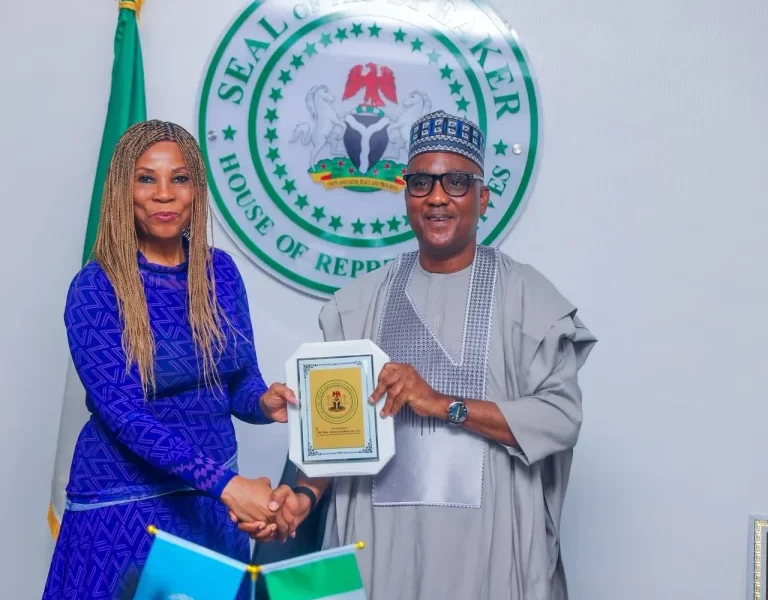
Speaker of the House of Representatives, Tajudeen Abbas, has announced that the legislature will pursue constitutional amendments to create reserved parliamentary seats for persons with disabilities (PWDs). This initiative is slated to begin once the ongoing legislative work regarding reserved seats for women in the National and State Assemblies is concluded.
Abbas shared this roadmap on Thursday in Abuja while hosting a delegation from the United Nations Development Programme (UNDP), led by Assistant Secretary-General and Regional Director for Africa, Ahunna Eziakonwa.
The Speaker emphasized that the House is committed to broadening political inclusion to ensure that marginalized groups are better represented in elective offices. “These are people who have been neglected in this country not just in Nigeria, but across Africa,” Abbas said. “We need to step up and ensure that they are given more visibility, particularly in elective positions, so that they can contribute their quota to the socio-economic development of our country.”
He expressed hope that Nigeria could establish a continental precedent by institutionalizing these reserved seats, potentially encouraging other African nations to adopt similar measures for PWDs.
During the meeting, the Speaker also reaffirmed the executive branch’s support for the ongoing efforts to create special seats for women. He noted that both President Bola Tinubu and First Lady Oluremi Tinubu are fully committed to the proposal, which is currently undergoing constitutional review.
To facilitate the process, the National Assembly leadership has been engaged in consultations with state legislatures to secure the necessary support for the required constitutional amendments.
Lawmakers are currently exploring an electoral college model involving elected public officials to fill the proposed reserved seats. This approach is intended to mitigate the significant financial and logistical challenges that would arise from holding separate elections.
Representatives from the UNDP commended the Speaker’s leadership on these inclusive reforms. Ahunna Eziakonwa praised the courage required to navigate these complex legislative issues, highlighting that greater inclusion of women and marginalized groups in leadership is essential for strengthening governance and accelerating national development.
While Nigeria has previously enacted legislation to protect the rights of persons with disabilities, the proposed amendment would mark a significant milestone as the first constitutional provision to specifically guarantee their political representation in elective chambers.