News
KWASU Workers Criticize Governor’s Wage Campaign, Cite Unpaid Minimum Wage
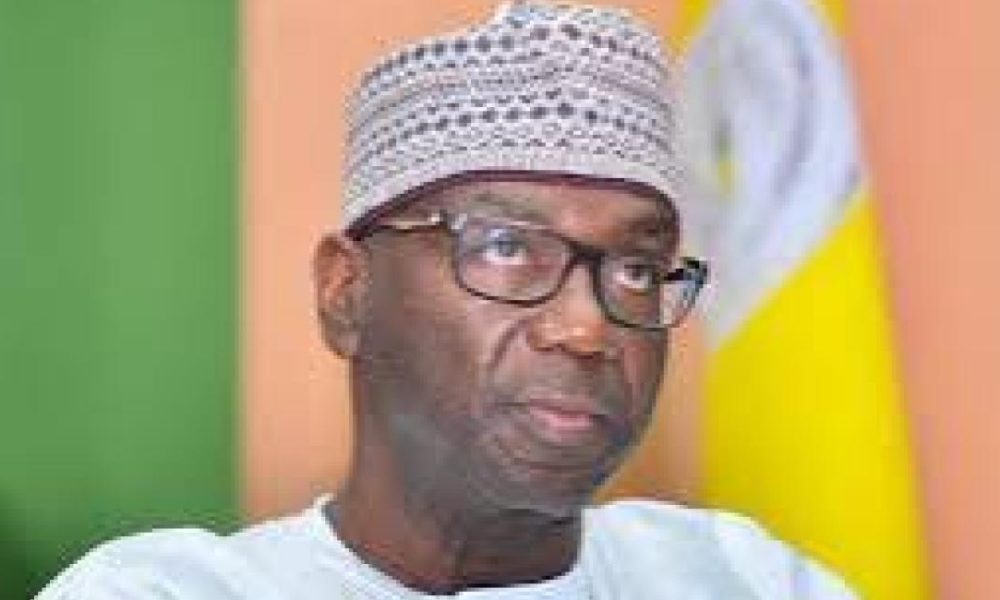
Employees at Kwara State University (KWASU) have publicly criticized Governor AbdulRahman AbdulRazaq, labeling his recent advocacy for a N100,000 national minimum wage as a publicity stunt. The workers argue that the governor’s campaign rings hollow while hundreds of staff members within the state-owned institution are still earning as little as N30,000 to N37,000 per month.
The affected staff, primarily comprised of hostel porters, report that they have yet to see the implementation of the current N70,000 national minimum wage mandated by the federal government. They contend that the state government is prioritizing optics over the actual welfare of its workforce.
“It is difficult to understand why the governor is advocating a N100,000 minimum wage for Nigerian workers when many of us working in a state-owned university are still being paid N30,000 or N37,000 every month,” one staff member stated. “Let the Kwara State Government first implement the existing N70,000 minimum wage for all categories of workers under its control.”
Workers expressed that their current salaries have been rendered virtually worthless by record inflation and surging transportation costs. One employee, who has served the university for a decade, noted that his salary has only seen a modest increase of N10,000 in that time, while the cost of a daily commute has skyrocketed from N200 to over N3,000.
Beyond low pay, staff described their working conditions as precarious. Many remain on temporary contracts that offer no job security, pension benefits, or guaranteed employment during academic vacations. Some employees even reported being tasked with technical maintenance and facility management duties outside of their job descriptions without additional compensation.
Internal documents reviewed indicate that newly hired porters are routinely engaged on temporary terms with a monthly pay of N30,000. These workers, who manage essential services across more than 30 university hostels, are urging the state government and university management to prioritize the regular payment of the national minimum wage and provide a pathway toward permanent, sustainable employment.
The situation has sparked broader questions regarding administrative transparency and the commitment of state officials to labor welfare, as workers continue to struggle to support their families amidst an escalating cost-of-living crisis.