News
National Assembly to Transmit State Police Bill to State Legislatures
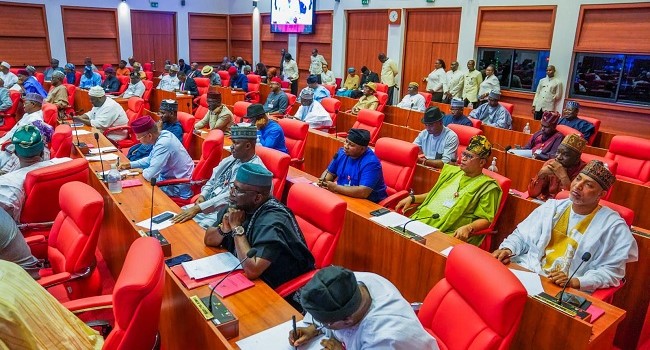
The National Assembly is set to officially transmit the Constitution Alteration Bill seeking the establishment of state police to the 36 state Houses of Assembly this week. This move represents a critical milestone in the ongoing effort to restructure Nigeria’s security architecture.
Following the bill’s passage by the Senate, the legislation now moves to the state level, where it requires the endorsement of at least two-thirds or 24 of the 36 state legislatures. Once this threshold is met, the bill will be forwarded to President Bola Tinubu for his assent to become law.
Senate leadership confirmed that preparations for the transmission are complete, noting that state speakers and governors have been briefed on the proposal. The legislation aims to introduce a dual policing structure, allowing state governments to maintain their own police services while ensuring the Nigeria Police Force retains jurisdiction over federal security concerns, such as terrorism, border control, and arms trafficking.
To address long-standing apprehensions regarding the potential for political misuse, the bill includes constitutional safeguards. These provisions are designed to protect individuals from targeted harassment by state authorities and allow the Federal Government to intervene in situations where public order or fundamental human rights are compromised.
The proposal has garnered broad support from various stakeholders, including the Conference of Speakers of State Legislatures and several governors, who view decentralizing policing as a necessary step to curb rising insecurity. While the Senate maintains that the bill is a response to national necessity rather than political convenience, it has faced some opposition. Critics have expressed concerns regarding the timing of the reform and the potential for governors to use state police to intimidate political opponents.
In response, the Senate has defended the bill as the product of years of rigorous consultation and national consensus. Senate leaders emphasized that the process involved extensive public hearings and collaborative input from the police hierarchy, intended to ensure that the new framework remains professional and accountable.
As the bill heads to the state assemblies, it will undergo further public hearings and legislative scrutiny, potentially marking the most significant reform to Nigeria’s internal security system in decades.