News
Nigeria’s Solar Industry Grapples with Crisis Over Poor After-Sales Support
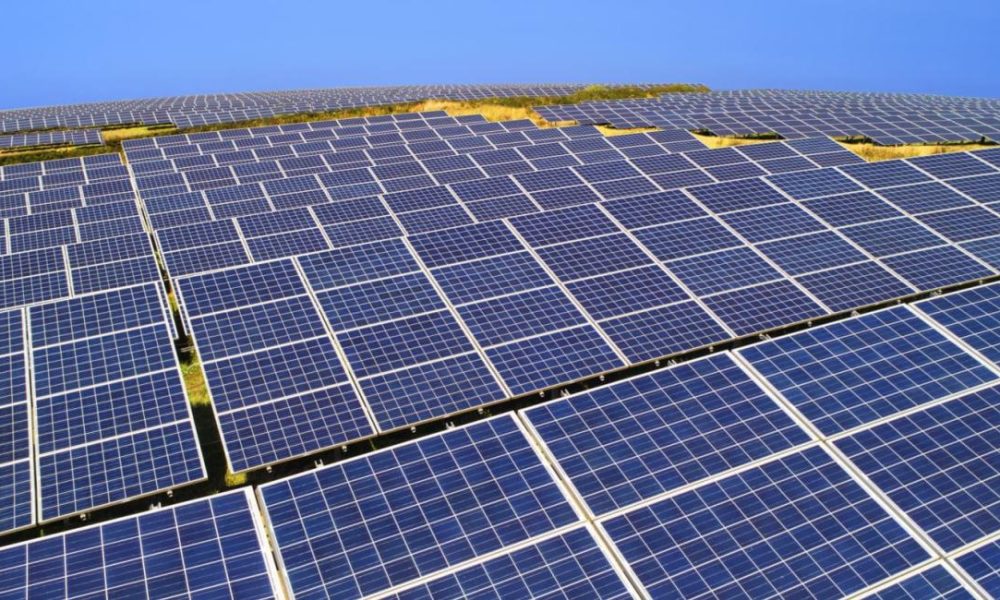
The rapid expansion of Nigeria’s solar energy market is being undermined by widespread complaints over inadequate after-sales service, leaving installers and vendors struggling under mounting pressure from dissatisfied customers.
As households, businesses, schools, and hospitals across the country turn to solar power to cope with persistent electricity shortages and rising fuel costs, Nigeria has become one of Africa’s fastest-growing renewable energy markets. This surge has driven a flood of imports inverters, lithium batteries, solar panels, and accessories from both local and international brands.
However, industry observers warn that the market’s growth has exposed a critical flaw: weak technical support systems for faulty products. Solar installers and vendors often bear the brunt of customer frustration when equipment fails, even though they have little control over manufacturer warranties, spare parts availability, or repair processes.
Many service centres across Nigeria are overstretched, understaffed, or concentrated in a handful of major cities, leading to repair delays lasting weeks or months. A shortage of locally available spare parts compounds the problem, even as new products continue to arrive.
The situation has forced some installers and vendors to replace defective equipment using their own funds just to preserve customer trust and protect their reputations. In extreme cases, unresolved product failures have led to legal disputes, police invitations, and financial losses for small and medium-scale solar businesses.
Further complications arise when certain brands scale down or exit the local market after capturing market share, leaving installers and customers without access to technical documentation, firmware updates, spare parts, or warranty support.
Exaggerated marketing claims have also fuelled the crisis, with unrealistic performance expectations causing customers to blame installers when systems fail to deliver as promised.
Industry stakeholders are now calling for urgent reforms, arguing that a truly sustainable solar industry requires not only widespread product availability but also reliable after-sales infrastructure.
They insist that responsibility should not end at the point of sale but must extend throughout the entire lifecycle of every product delivered to the Nigerian market.