Health
Soaring Fruit Prices Push Pregnant Women to Cut Back, Experts Warn of Health Dangers
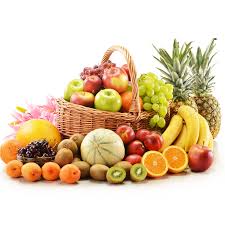
Rising transportation costs and general inflation have made fruits unaffordable for many expectant mothers, forcing them to rely on supplements instead.
For seven-months-pregnant Ayo Sarumi, walking past fruit stalls in her neighbourhood has become an exercise in restraint. Watermelons, once a regular craving, are now a luxury she can no longer afford.
“Now that the price is competing with the amount of money I need to spend on food, I have to choose one,” said the mother of two, who is expecting her third child.
Like many pregnant women struggling with rising food prices, Sarumi has turned to the daily multivitamins provided at her antenatal clinic, hoping they will compensate for the nutrients she is missing from fresh fruits.
Market surveys indicate that a single pineapple now sells for between N1,000 and N2,000, depending on size and location, up from N700 to N1,500 previously. Even mangoes, currently in season, have seen sharp price increases—a plate that cost N500 last year now goes for N1,000, with individual pieces selling for as high as N250.
Fruit vendors attribute the surge to higher transportation costs and persistent inflation across the economy.
Another expectant mother, Mrs Kajorepo, who is five months pregnant with her fourth child, said she now eats fruit only “once in a while.” Reflecting on her earlier pregnancies, she noted that fruits were much more affordable then, allowing her to include them regularly in her diet.
Health experts sound alarm
Nutrition specialists warn that the trend poses serious risks to both mothers and their unborn babies.
A public health nutrition expert, James Oloyede, explained that fruits and vegetables are critical during pregnancy because they provide micronutrients that support foetal development and protect maternal health.
“Fruits and vegetables contain a lot of vitamins, minerals, and fibre. They support the growth of the baby and provide building blocks for the baby’s development,” he said.
He noted that leafy vegetables contain folate, which helps prevent neural tube defects—conditions that affect the development of the baby’s brain and spinal cord. Iron from dark green vegetables also boosts red blood cell production and prevents anaemia in pregnant women.
Oloyede warned that inadequate fruit consumption could endanger both mother and child, leading to neural tube defects, anaemia, poor placental function, and babies born with low birth weight or small for gestational age.
“We always advise pregnant women to take the fruit in season. Nigeria is abundantly blessed with all kinds of fruits and vegetables at various seasons,” he said. “Every day, a pregnant woman must take fruits and vegetables. Don’t let a day pass without taking fruits and vegetables.”
Quantity and quality matter
Chief Dietitian with the Lagos State Health Service Commission, Olusola Malomo, stressed that folate is particularly crucial in the first six weeks of pregnancy for brain and central nervous system development.
He warned that rising fruit prices mean many women are now consuming quantities too small to meet their nutritional needs.
“Because these fruits are expensive now, she cannot afford the quantity that will give her what her body needs. All she is doing now is just eating fruit, but the quantity will not give her the quality needed by the body,” Malomo said.
He advised pregnant women to wash fruits thoroughly and keep them separate from raw meat and fish to prevent contamination, adding that both quantity and quality are essential for a healthy pregnancy.