News
Tribunal Orders Removal of Ex-Bauchi Governor from Premium Pension Board
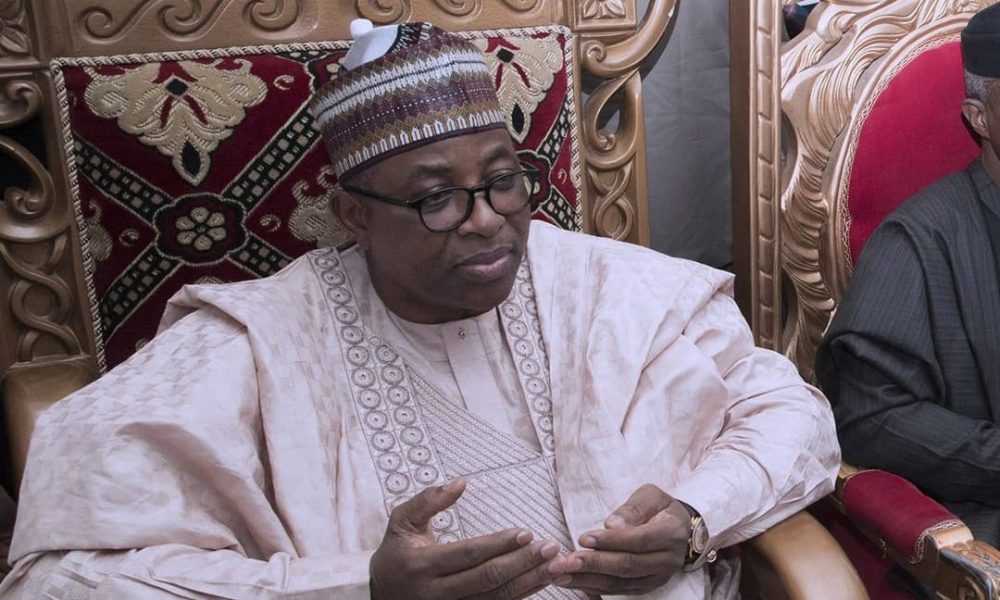
An arbitration tribunal has ordered the removal of Mohammed Abubakar, ex-Bauchi governor, and three directors from the board of Premium Pension Limited (PPL) after ruling that they qualify as politically exposed persons (PEPs) under the company’s shareholders’ agreement.
The tribunal delivered the final ruling on May 25, 2026, in a case instituted by Muhammed Barde, PPL’s co-founder, and three companies: Fendo Investments and Properties Limited, Olive Lime Limited, and Afric Capital Limited.
Sale M. Yunusa, ex-managing director (MD) of Urban Development Bank; Ibrahim Saleh Hassan, Mohammed M. Abdullahi, Yunusa Yakubu, Ibrahim Alhassan Babayo, Dauda Jabani Kwaji, Ali Saidu, Sirajo Abubakar Argungu, Farida K. Usa Kwaji, and Adama Inuwa were listed as the respondents in the legal dispute.
Other respondents include Mohammed Inuwa Yahaya, Gombe state governor; Nuru Yakubu, Abdullahi Y. Umar, Zaina Nigeria Ltd, Fiduciary Reports Limited, Idris Y. Saeed, and Bade Adesina.
The panel was chaired by Olusola Adegbonmire, with Bayo Ojo and Chikwendu Madumere serving as co-arbitrators.
In the award, the tribunal held that Sale Yunusa, Mohammed Abubakar, Bitrus Kwaji, and Bappayo Yahaya fall within the category of politically exposed persons under the firm’s 2017 shareholders’ agreement (SHA 17).
The tribunal also ruled that their nomination, appointment, and continued service as directors of Premium Pension Limited contravened clause 5.1 of the agreement and “is invalid”.
“It is hereby ordered that The Respondents shall, within 30 days of the date of this Award, take all steps necessary to procure the resignation, withdrawal, or removal of Are. Sale M. Yunusa, H.E. M.A. Abubakar, SAN, Major-General V.T. Kwaji (Rtd.), Bappayo Yahaya from the Board of Directors of Premium Pension Limited,” the tribunal held.
The panel also declared that the claimants had the locus standi and jurisdiction to “bring this suit”.
However, the tribunal said the claimants failed to prove that the 2014 shareholders’ agreement remained the only valid and subsisting agreement governing the company