Business
Ukraine conflict: Oil and gas prices soar as shares plunge
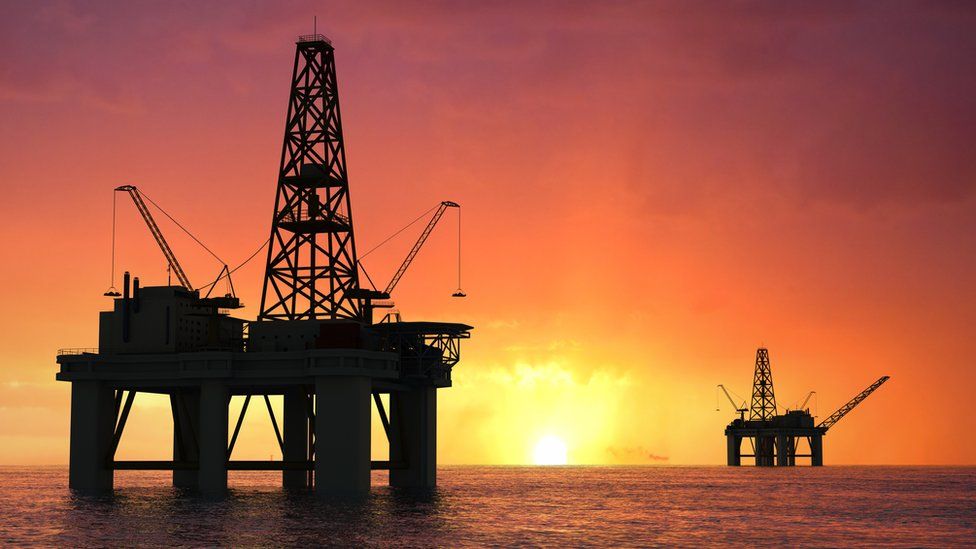
Oil prices soared to $139 a barrel, their highest level for almost 14 years, while wholesale gas prices for next-day delivery more than doubled.
It came as the US hinted at a ban on buying Russian energy, as it looked to other countries to increase supplies.
Analysts have warned the war will push already high energy bills up further.
The crisis continues to cast a shadow over share markets. The main stock exchanges in France and Germany sank more than 4% in early trading, while London’s FTSE 100 was more than 2% lower. Asian shares also fell.
The price of gold, a haven in troubled times for investors looking for security, hit $2,000 an ounce for the first time in almost 18 months.
On Sunday, the US Secretary of State Antony Blinken said the Biden administration and its allies were discussing a ban on Russian oil supplies.
Later, US House of Representatives Speaker Nancy Pelosi said the chamber was “exploring” legislation to ban the import of Russian oil and that Congress this week intended to enact $10bn (£7.6bn) of aid for Ukraine in response to Russia’s military invasion.
“The House is currently exploring strong legislation that will further isolate Russia from the global economy,” Ms Pelosi said in a letter.
The comments came as pressure grows on the White House and other Western nations to take tougher action against Moscow over its invasion of Ukraine.
A Russian oil embargo would be a major escalation in the response to the invasion of Ukraine and would potentially have a major impact on the global economy.
The price of Brent crude rose by more than 20% last week as the conflict triggered fears of a shortage of oil on the global markets.
Fuel prices
Consumers around the world have seen costs jump in recent days as they feel the impact of rising wholesale energy prices.
On Sunday, the American Automobile Association said that US petrol prices at the pump jumped by 11% over the past week to the highest level since July 2008.
The cost of petrol and diesel in the UK has soared, and now averages 153p and 157p a litre respectively.
But Mr Spencer, managing director of Portland Fuel, said bad news had kept coming, and prices were set to rise even higher.
“Even if we can get extra supplies on to the market, nothing will happen quickly,” he told the BBC’s Today programme. “I’m afraid we are going to see prices in excess of £1.70-£1.75 a litre.”
He said that, to a certain extent, individual car drivers have options to cut their use by driving less. But businesses that have no alternatives were really starting to feel the squeeze, Mr Spencer said.
Meanwhile, a jump in the price of gas amid the Ukraine conflict has added to worries that annual average UK household energy bills could reach £3,000.
In recent days, the cost of gas in Europe and the UK has hit record levels as fears persist that Russian supplies could be reduced.
On Sunday, energy giant Shell defended its decision to purchase Russian crude oil despite the invasion of Ukraine.
The company said in a statement that the decision to purchase the fuel at a discounted price was “difficult”.
It confirmed that it had bought a cargo of Russian crude oil on Friday but it had “no alternative”.
Ukrainian Foreign Minister Dmytro Kuleba hit out at the energy company, asking on Twitter: “Doesn’t Russian oil smell Ukrainian blood for you?”
Rising crude prices and a possible ban on buying Russian oil has intensified pressure to find alternative supplies.
The US is this week expected to press Saudi Arabia to increase crude production, and there is fresh impetus for a deal over Iran’s nuclear ambitions that would lift sanctions on its oil exports.
However, progress on a deal has been hampered after Russia sought a US guarantee that the sanctions it faces over the Ukraine conflict will not affect its trade with Tehran.
It came as global brands continue to cut their ties with Russia over the conflict.
At the weekend, video-sharing app TikTok said it had suspended livestreaming and new content from its platform in Russia as it assesses tough new laws to crack down on “fake news” about the country’s armed forces.
Meanwhile, streaming giant Netflix said it had cut its services in the country following its invasion of Ukraine.
Visa, Mastercard and PwC have also joined the growing list of western firms cutting ties with Russia.