
News
Uganda Defends Internet Shutdown Ahead of Elections as a “Security Measure”
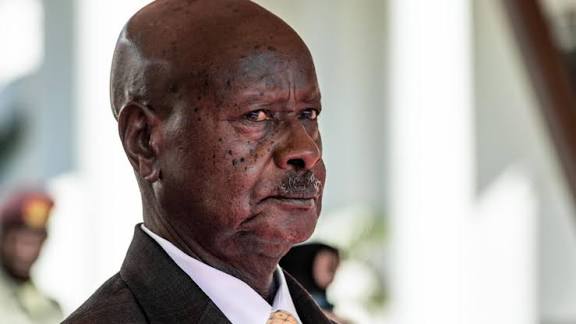
A senior Ugandan official has stated that the government-ordered internet blackout, implemented on the eve of the country’s presidential election, was a necessary step to maintain public order.
The East African nation heads to the polls on Thursday, with President Yoweri Museveni, in power since 1986, widely anticipated to secure another term. The move to restrict internet access on Tuesday followed earlier assurances that such a measure would not be taken, raising concerns among observers about the electoral environment.
Hajat Hadijah Namyalo Uzeiye, a presidential advisor, defended the decision in an interview with AFP. “Internet creates wars, riots, misinformation,” she said. “They had to shut down the internet because of the misinformation from different stakeholders.”
Uzeiye projected a decisive victory for President Museveni, forecasting a win of “at least 70 per cent” and stated, “We are not ready for him to leave.” She also addressed criticism of the government’s record, rejecting characterizations by opposition figures and human rights groups that Museveni’s lengthy rule is authoritarian.
“I won’t call it dictatorship,” Uzeiye said. “What they are trying to portray to the world is the element of dictatorship without giving any version of the why, the who, the where, and the what.”
The internet restriction, coupled with a recent court order suspending the activities of ten non-governmental organizations, has drawn international concern. The United Nations human rights office described these developments as “deeply worrying.”
Opposition leader Bobi Wine and independent analysts have repeatedly raised allegations of repression and an uneven political playing field, claims the government denies. The election proceeds under heightened scrutiny regarding transparency and civic freedoms.


