News
FG Approves N548.98bn for Total Demolition, Reconstruction of Carter Bridge in Lagos
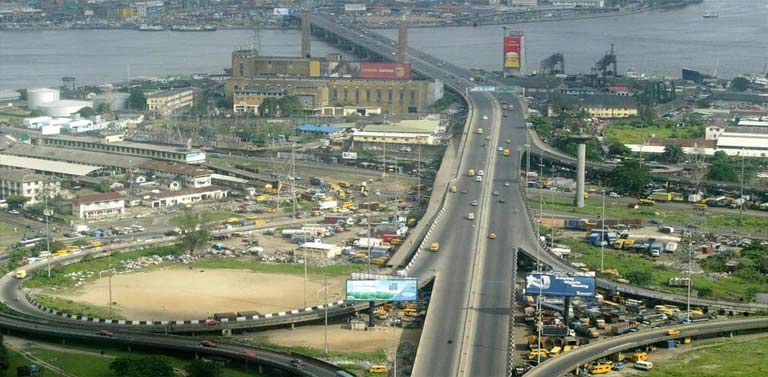
The Federal Government has approved the complete demolition and reconstruction of the iconic Carter Bridge in Lagos at a cost of N548.98 billion.
The decision followed independent investigations confirming that the bridge’s underwater piles and pile caps had deteriorated beyond repair.
Minister of Works, Dave Umahi, announced the approval after Thursday’s Federal Executive Council meeting. He explained that investigations conducted in 2013, 2019, and again under the current administration by Julius Berger all concluded that the bridge could not be saved.
Umahi said stakeholders’ engagements with technical experts both locally and internationally agreed that rehabilitation was impossible, leaving demolition and full reconstruction as the only viable option.
The contract was awarded to CCCC following a competitive bidding process that also involved Julius Berger, CCECC, CBC, and China Harbour High Tech.
The new bridge will be longer than the original, extending from 1.525 kilometres to 1.93 kilometres. The extension includes a flyover ramp designed to eliminate the long-standing traffic bottleneck in the area.
The total contract sum stands at N548.98 billion. The new bridge will also feature a navigational waterway of 105 metres by two.
The Federal Executive Council separately approved N24.89 billion for underwater elements of the Third Mainland Bridge, to be handled by Julius Berger. These projects are among those being readied for commissioning ahead of President Bola Tinubu’s third anniversary in office on May 29.
Carter Bridge, one of Lagos’s oldest and most historically significant bridges, serves as a critical link between Lagos Island and the mainland. Named after a former British governor of Lagos Colony, the bridge has been a vital artery across Lagos Lagoon for decades.
It has faced recurring structural concerns, with authorities periodically restricting heavy vehicle access and carrying out patch repairs. Its deterioration has been attributed to age, heavy traffic load, and the corrosive effects of saltwater on its foundational infrastructure.