
News
Nigeria Lost $226.7bn to Ogoni Oil Shutdown Since 1993 – PINL
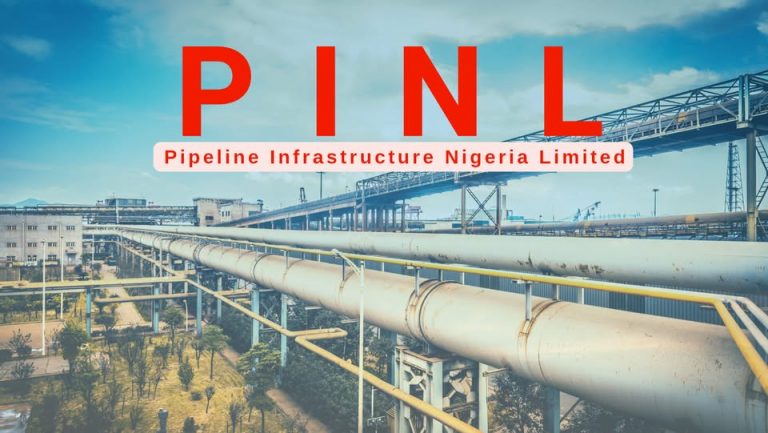
Nigeria has lost an estimated $226.734 billion following the suspension of crude oil production in Ogoni land since 1993, the Pipeline Infrastructure Nigeria Limited (PINL) has said.
The firm, which oversees maintenance of the Trans Niger Pipeline, described the resumption of oil production in the area as a national priority, with the potential to generate over 500,000 barrels per day from Oil Mining Lease (OML) 11.
The General Manager of Community and Government Relations at PINL, Dr Akpos Mezeh, disclosed this during the company’s monthly stakeholders’ meeting in Port Harcourt on Wednesday.
He noted that OML-11, which comprises about 96 oil wells, has remained inactive for over three decades, resulting in significant revenue losses for the country.
“Available data shows that over $226.734 billion has been lost due to the suspension of crude oil production from 96 oil wells in Ogoni land over the past 32 years,” Mezeh said.
He stressed that restarting operations in the area would boost national revenue and support President Bola Tinubu’s efforts to increase crude oil production and curb economic sabotage in the Niger Delta.
Mezeh added that the company recorded zero infractions on the Trans Niger Pipeline in the last month, attributing this to improved stakeholder engagement and community sensitisation.
However, he emphasised that any move to resume oil production must prioritise inclusive community participation and environmental sustainability.
“The Ogoni people must be fully involved as critical stakeholders in all decisions,” he said, noting that continued clean-up and restoration efforts would be key to rebuilding trust.
He also highlighted ongoing community interventions by the company, including scholarship schemes, women’s empowerment, medical outreach, and skills acquisition programmes.
According to Mezeh, Nigeria’s oil production has risen to about 1.84 million barrels per day, with a target of two million barrels per day in line with government objectives.
The event also featured the award of scholarships to 216 students across host communities in Rivers, Bayelsa, Imo, and Abia states.
Crude oil production in Ogoni land was halted in the early 1990s following widespread protests over environmental degradation, oil spills, and demands for greater resource control. The agitation, led by groups such as the Movement for the Survival of the Ogoni People (MOSOP), brought global attention to environmental issues in the Niger Delta.
Since then, successive governments have made efforts to address the environmental damage, including the launch of the UNEP-recommended Ogoni clean-up programme. However, calls for resuming oil production remain sensitive, with stakeholders insisting on environmental remediation and community inclusion as key conditions.


