
News
NEPZA, NAFDAC Strengthen Joint Oversight of Free Trade Zones
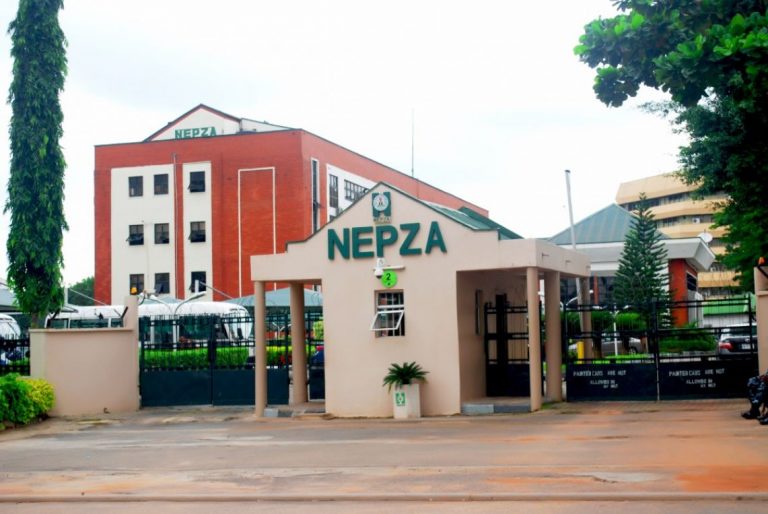
The Nigeria Export Processing Zones Authority (NEPZA) and the National Agency for Food and Drug Administration and Control (NAFDAC) have agreed to intensify joint monitoring of pharmaceutical products, food items, and other consumables manufactured within the country’s free trade zones. The move comes amid rising concerns over the spread of fake and substandard goods in Nigerian markets.
The decision followed a meeting between NAFDAC Director-General Mojisola Adeyeye and NEPZA Managing Director Olufemi Ogunyemi at the authority’s headquarters in Abuja. Both agencies resolved to deepen collaboration aimed at preventing free trade zones from becoming channels for illicit pharmaceutical and food products.
Speaking at the meeting, Adeyeye described the partnership as a national responsibility to protect citizens from dangerous goods entering markets from both known and unknown sources. She stressed that NAFDAC remains committed to enforcing strict compliance with approved standards through proper testing and quality control across all regulated industries.
She noted that while free trade zones are vital to Nigeria’s industrialisation goals, stronger monitoring mechanisms are essential to guarantee the safety and effectiveness of products manufactured within the zones and later exported into the local market. She called for joint regulatory action to address gaps in compliance and inspection processes.
Ogunyemi welcomed the collaboration, affirming NEPZA’s commitment to eliminating irregularities in the production and movement of medical supplies and consumables within the zones. He noted that Nigeria currently operates 63 free trade zones hosting more than 900 enterprises, making regulatory oversight challenging due to the scale and complexity of operations.
He acknowledged that joint efforts are necessary to tackle existing irregularities, adding that NEPZA has consistently resisted attempts by criminal elements to exploit the zones for unlawful activities. He expressed full support for the partnership, describing it as beneficial for global compliance across all production and export activities.
The meeting also resulted in the formation of an eight-member technical committee tasked with identifying obstacles to seamless regulatory enforcement within the free trade zones. The committee is expected to recommend measures to improve coordination, compliance enforcement, and quality assurance across the country’s export processing zones.
The renewed collaboration follows persistent public concerns over counterfeit drugs, unsafe food products, and substandard consumables in Nigeria, despite repeated enforcement actions by regulators.
Stakeholders have long warned that weak monitoring systems and regulatory loopholes continue to expose consumers to serious health risks.


