Environment
RAF man set to unleash Virgin Orbit space rocket over Pacific
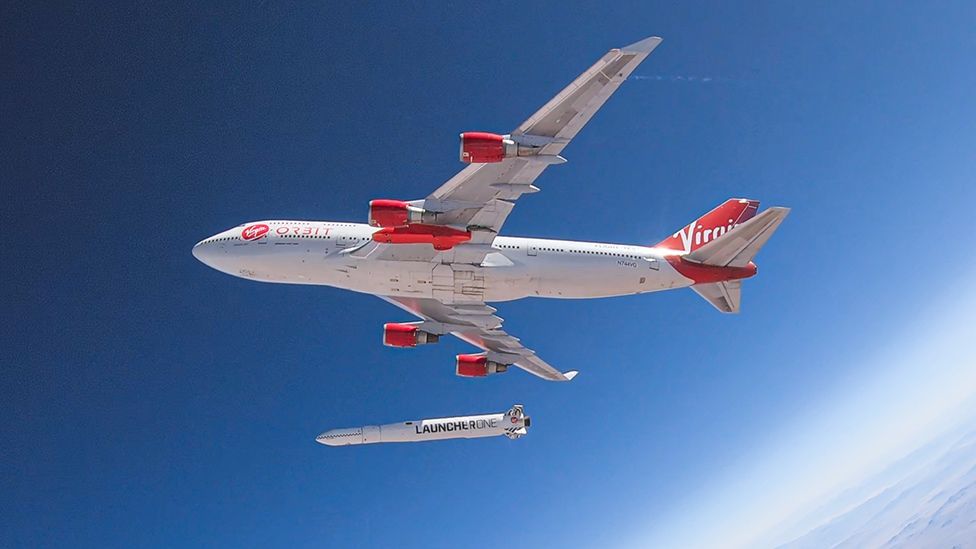
The aviator is currently seconded to Sir Richard Branson’s satellite launch company, Virgin Orbit, which will be attempting to loft seven spacecraft.
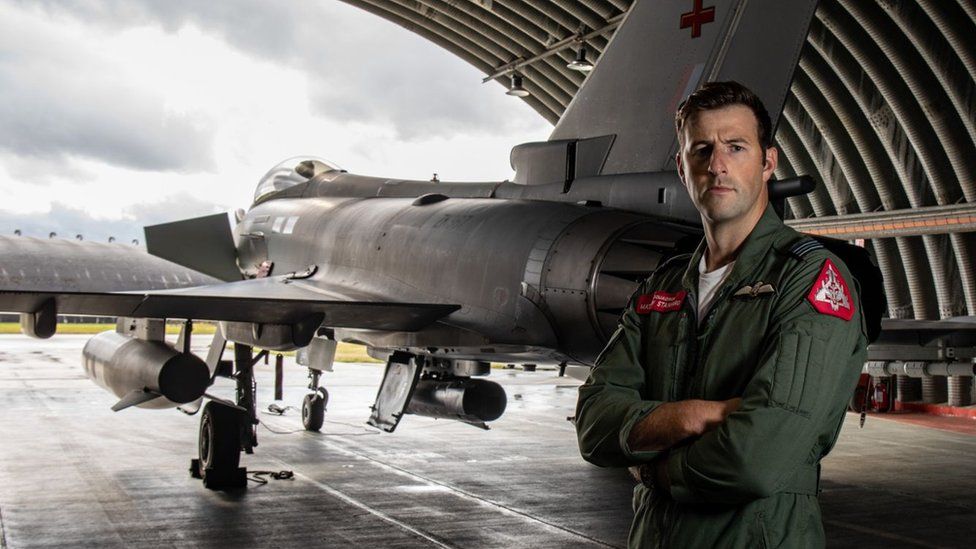
“Stanny”, as he’s known, is more accustomed to firing missiles from Tornado and Typhoon fighter jets.
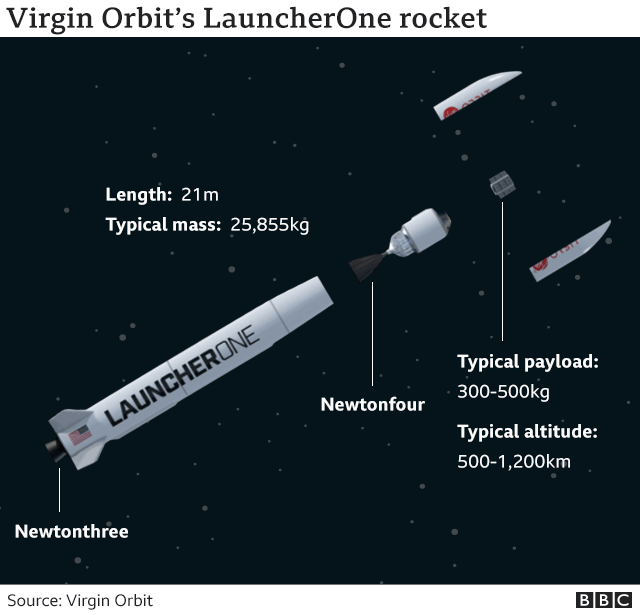
Unleashing a 21m (70ft) space booster will be a new experience.
“Stanny has been a wonderful addition to our team. As you’d expect given his background with the RAF, he brings a bright intellect, incredible attention to detail, and an excellent experience base, in addition to his world-class piloting skills,” said Virgin Orbit chief operating officer Tony Gingiss.
“Stanny’s been deeply involved in all of our planning, and after flying on our previous mission and logging many hours in the simulator, he will be in the right seat for our upcoming ‘Above the Clouds’ flight, releasing our LauncherOne rocket at the right time, sending our customers’ satellites on their way to orbit,” the executive told BBC News.
Thursday’s mission will be the third overall for British entrepreneur Sir Richard’s Long Beach, California-based company (following an inaugural demonstration launch that didn’t reach orbit).
His 747-and-LauncherOne system has previously put up 19 satellites. The seven on the latest manifest includes one manufactured in Glasgow by Spire Global, which tracks weather conditions from orbit, along with ship and plane movements.
Matters will get under way at roughly 12:30 US West Coast time (20:30 GMT).
The Jumbo will fly out over the Pacific with the rocket tucked neatly under the left wing of the former Virgin Atlantic jumbo.
About an hour after take-off, at an altitude of 35,000ft (10km), Flt Lt Stannard will unhook the liquid-fuelled booster and let it go into a freefall.
Virgin Orbit wants to run six space missions this year, with two of these planned to operate out of Newquay Airport in Cornwall.
The first of these UK events could happen as early as June or July, although much will depend on how quickly licensing paperwork goes through the UK’s Civil Aviation Authority. The CAA’s paramount concern is safety and it won’t let any launch proceed until it’s satisfied all contingencies are covered.
The CAA has 35 staff to assess the technical details of applications. A licence to operate a spaceport is expected to take six to 12 months to process; a licence to operate a rocket system will take longer at nine to 18 months.
The CAA told the House of Commons Science and Technology Committee on Wednesday that so far it was dealing with four formally submitted licensing applications (others from a range of potential spaceport/rocket operators are at a pre-application stage).
However, when asked whether this meant a UK launch was likely this year, the authority’s policy director Tim Johnson refused to be drawn.
“We will exercise our duties in the most timely way possible.”