Entertainment
Fela’s Grammy Honour Highlights Lasting Legacy, Yet His Message Remains Unheeded at Home
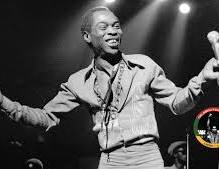
Internationally celebrated musician and activist Fela Anikulapo-Kuti has posthumously received the Grammy Lifetime Achievement Award, becoming the first African to earn the honour nearly three decades after his death. The award, presented by the Recording Academy of America on January 31, recognizes his enduring influence as a musical pioneer and fearless social critic.
While global recognition of Fela’s legacy grows, the substance of his message a decades-long critique of corruption, poor governance, and social injustice appears largely ignored in his homeland, Nigeria.
In his lifetime, Fela used his music to condemn official graft, military brutality, and the elite’s disconnect from widespread poverty. Songs like “Go Slow,” “Authority Stealing,” and “Zombie” highlighted failures in infrastructure, justice, and leadership.
Today, many of the issues he sang about persist or have worsened: chronic traffic gridlock, erratic power supply, insecure roads, and a stark divide between political luxury and public hardship.
President Bola Tinubu recently praised Fela as a “fearless voice of the people” and a “revolutionary force.” This official tribute, however, strikes a contrast with the realities on the ground, where systemic dysfunction and high-profile corruption cases continue to dominate headlines.
Fela’s activism came at great personal cost. He was repeatedly arrested, beaten, and his communal residence, the Kalakuta Republic, was burned in a 1977 military attack that fatally injured his mother, Funmilayo Ransome-Kuti. Despite pressure, he consistently refused to compromise his stance or seek favor with those in power.
His musical innovation, Afrobeat, has evolved into the globally popular Afrobeats, cementing Nigeria’s cultural influence abroad. Domestically, festivals like Felabration in Lagos keep his memory alive, and global figures from Barack Obama to Emmanuel Macron have expressed admiration for his work.
Analysts note that the ultimate homage to Fela would not be awards or tributes, but a tangible commitment to addressing the deep-seated problems he identified. As Nigeria continues to grapple with many of the same challenges he sang about, his legacy stands as a powerful, and still unanswered, call for accountability and reform.