News
King Charles Discloses £12.9m Tax in British Monarch’s First
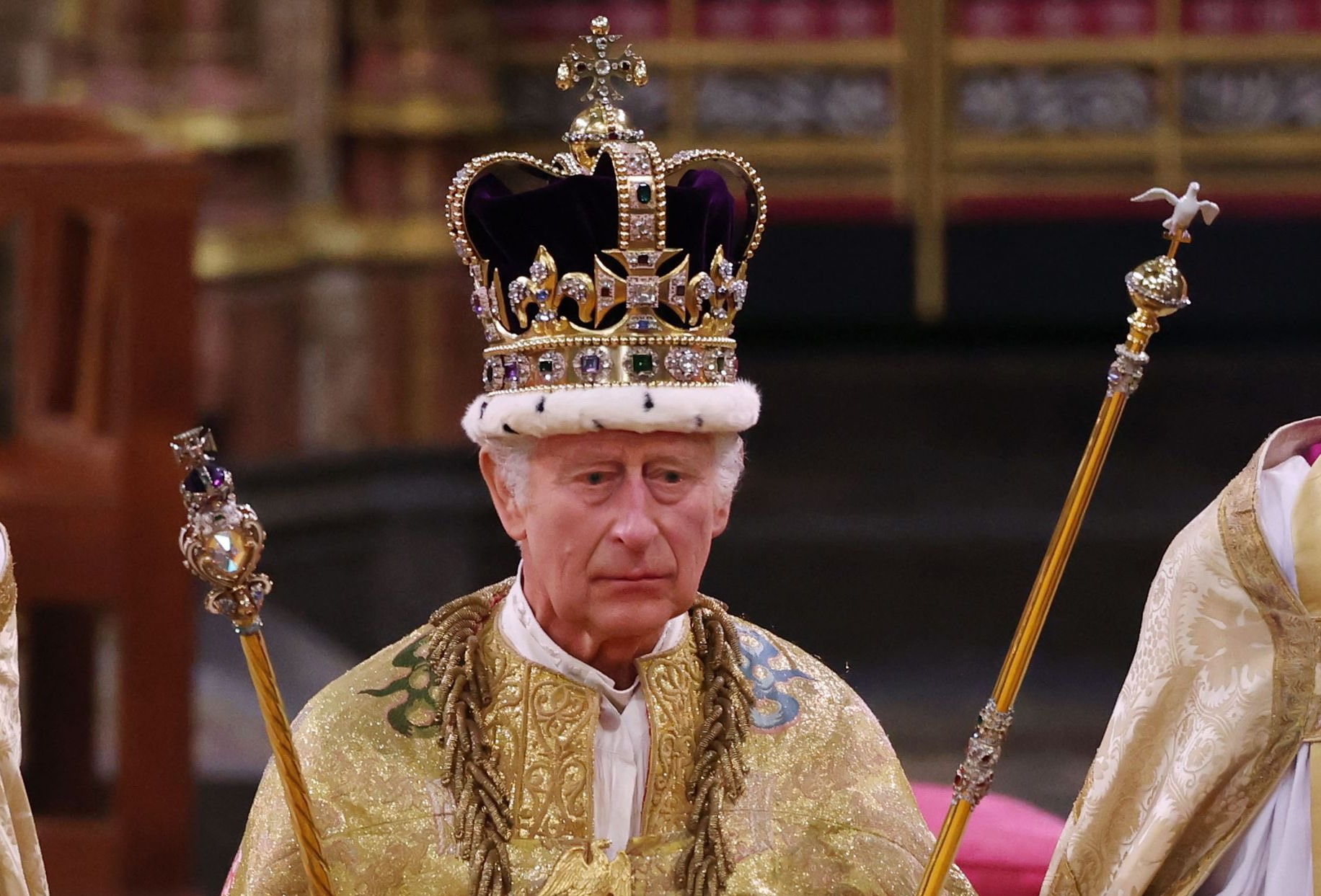
King Charles III has become the first British monarch to publicly disclose his personal tax payments, revealing he paid £12.9 million in tax for the 2024-25 financial year.
The figures, released in the Royal Household’s annual report and accounts, also show that William, Prince of Wales paid £7.76 million in income and capital gains tax over the same period.
According to Buckingham Palace, the decision by both the King and the Prince of Wales to voluntarily publish their tax payments was intended to improve transparency and “encourage wider understanding of our accountability.”
The accounts show King Charles paid £11.7 million in tax during the previous financial year, while Prince William paid £8.34 million. Since Charles became monarch in 2022, the combined tax payments made by father and son have exceeded £50 million.
However, the report does not provide a detailed breakdown of how the tax liabilities were calculated, including how much related to income tax, capital gains tax or allowable deductions.
Dan Neidle, founder of Tax Policy Associates, described the disclosure as “highly opaque,”saying it lacked sufficient detail to assess how the figures were determined.
“We don’t know how much of that is capital gains tax, how much is income tax. Very importantly, we don’t know what expenses he’s deducted to come up with the figure on which he pays the tax,” Neidle said.
King Charles receives income from the Duchy of Lancaster, a portfolio of land, investments and properties that provides the monarch with an independent source of funding for official and private expenditure. The estate generated £25.2 million in income during the 2025-26 financial year.
His taxable income also includes earnings from private investments, savings and his privately owned Balmoral and Sandringham estates.
Prince William, meanwhile, receives income from the Duchy of Cornwall, a hereditary estate spanning about 130,000 acres and valued at more than £1 billion. The estate funds his official duties, private office and family life.
His private secretary, Ian Patrick, said the prince pays income tax at the highest rate on any net surplus after legitimate business costs have been deducted.
“Those costs are independently audited to ensure that any deductions are appropriate. The prince recognises the interest in these arrangements and the importance of appropriate transparency,” Patrick said.
The report also revealed that Prince William will no longer personally receive the £1.5 million annual rental income generated by the now-closed Dartmoor Prison. Instead, the funds will be redirected to support the local community, particularly residents of Princetown near the prison.
Dartmoor Prison has remained closed since 2024 after dangerous levels of radon gas were discovered inside the facility.
The annual accounts also disclosed that King Charles and Queen Camilla will continue living at Clarence House rather than relocating to Buckingham Palace after ongoing refurbishment works are completed. Officials said the decision would allow greater public access to the historic palace.
The Sovereign Grant, the main source of public funding for the Royal Household, will increase to £99.9 million annually from 2027-28 under a revised funding formula approved by the Royal Trustees, including Prime Minister Keir Starmer and Chancellor Rachel Reeves.
The funding will support the maintenance of royal residences, strengthen cybersecurity and finance environmental upgrades, including an £11 million project to replace boilers at Windsor Castle.
James Chalmers, the King’s Keeper of the Privy Purse, said the grant was “not a blank cheque” and remained subject to Treasury oversight, independent audits and strict value-for-money requirements.
The report also showed that the most expensive overseas royal engagement during the year was Prince William’s three-day visit to Saudi Arabia, which cost just over £130,000, narrowly exceeding the £126,946 spent on King Charles and Queen Camilla’s state visit to Italy.
Meanwhile, operating profits at the Crown Estate, whose earnings are used as the benchmark for calculating the Sovereign Grant, fell from £1.4 billion to £1.2 billion, largely due to reduced revenues from offshore wind option fees as projects moved into the construction phase.