News
Uganda’s Military Chief Declares Opposition Leader Barred From Future Elections
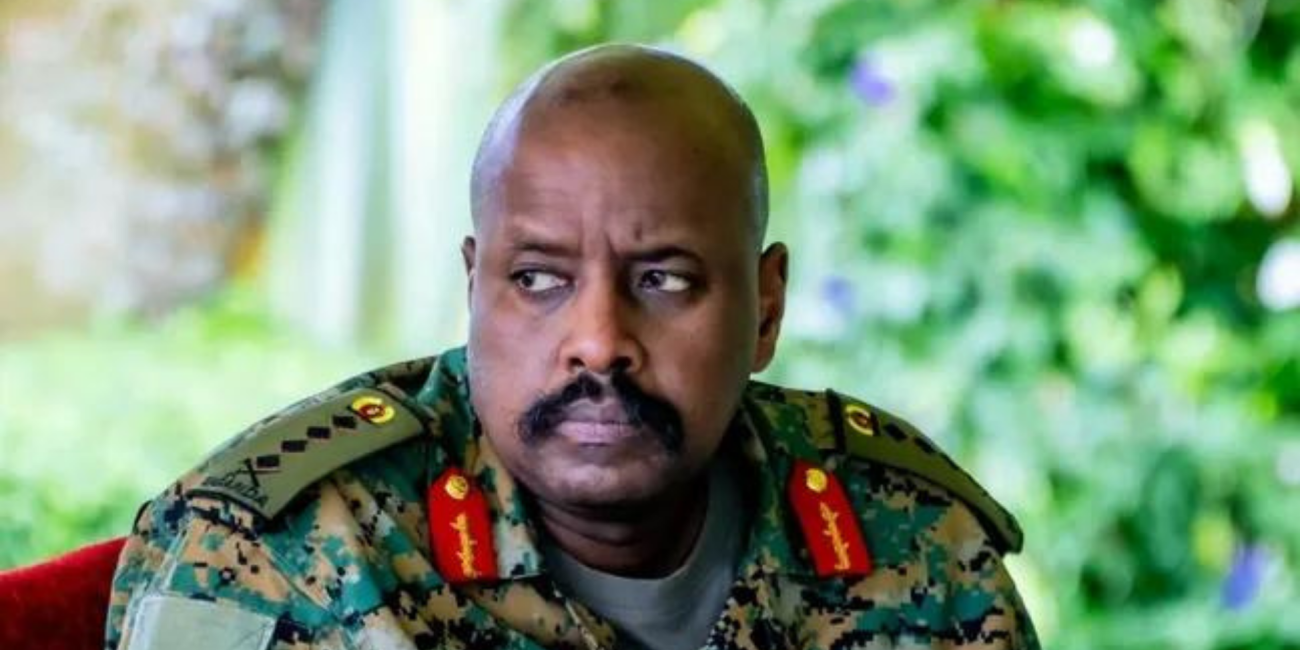
In a move that has intensified political tensions, Uganda’s Chief of Defence Forces, General Muhoozi Kainerugaba, has publicly banned opposition figure Bobi Wine from participating in any future electoral exercises, citing national security grounds.
Kainerugaba, who is also the son of President Yoweri Museveni, issued the directive in a statement on Thursday, asserting his authority stemmed from the office of the Commander-in-Chief.
“Whether Robert Kyagulanyi Ssentamu is in the country or not I, as CDF, in the interests of national security and for the good of the commonwealth ban him from any further participation in the electoral exercises of Uganda,” he declared.
The army chief extended the ban’s scope, warning that “ANYONE who declares Robert Kyagulanyi aka Bobi Wine as his/her political leader must be annulled.”
The announcement has sparked immediate concern among political analysts and civil society groups, raising questions about the constitutional separation of military and civilian authority and the future of democratic participation in Uganda.
Bobi Wine, the leader of the National Unity Platform (NUP) and a former presidential candidate, has been a prominent critic of the long-serving government. He and his supporters have frequently accused state security agencies of systematic harassment and suppression.
As of now, there has been no official comment from the Ugandan Electoral Commission, the Presidency, or Bobi Wine himself regarding the general’s pronouncement.
This development follows recent highly controversial remarks by Kainerugaba on social media, where he appeared to confirm the killing of opposition members. He stated that 22 “NUP terrorists” had been killed and suggested Bobi Wine was intended to be the “twenty-third,” a comment that drew widespread condemnation.
Bobi Wine has since accused security forces of killing over 100 of his supporters in recent days, a claim far exceeding official figures, and alleged intense military harassment at his private residence, where he says his family is being starved and intimidated.
The general’s latest directive further deepens the crisis in Uganda’s political landscape, casting a shadow over the country’s electoral processes and highlighting the entrenched tensions between the state and its opposition.