News
US-Iran Talks in Pakistan End Without Breakthrough, Vance Says
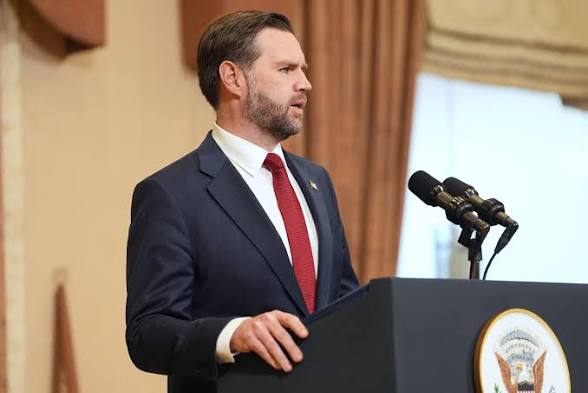
Marathon negotiations between the United States and Iran aimed at ending the ongoing Middle East conflict concluded on Sunday without a deal, US Vice President JD Vance announced, describing Washington’s latest proposal as a “final and best offer.”
The high-level talks, hosted by Pakistan in its capital, marked the most significant direct engagement between the two nations since Iran’s 1979 Islamic revolution. However, after 21 hours of discussions, the parties failed to bridge deep divisions over key issues, including Iran’s nuclear ambitions and control of a strategic maritime route.
Speaking to reporters before departing Islamabad, Vance said the United States was seeking a “fundamental commitment” from Tehran to refrain from developing nuclear weapons. “We haven’t seen that,” he stated, while adding that Iran would be given additional time to consider the American proposal.
Earlier this week, Washington announced a two-week pause on joint military operations with Israel against Iran to create room for negotiations. That temporary truce remains in effect, according to Pakistani officials.
Iran Rejects ‘Unreasonable Demands’
Iranian state media blamed the lack of progress on what it called “unreasonable demands” from the American side. A foreign ministry spokesman later cautioned that after only 40 days of active hostilities, a single round of talks could hardly be expected to produce a final agreement.
The conflict erupted on February 28 when the United States and Israel launched attacks against Iran, prompting Tehran to retaliate. The war has since destabilised the region and sent shockwaves through global energy markets.
A major sticking point in the Islamabad negotiations was control over the Strait of Hormuz, a vital chokepoint through which approximately one-fifth of the world’s oil passed before Iran effectively closed it during the fighting. The US military announced over the weekend that it had dispatched minesweeping ships to the strait, a move Iranian media described as an “excessive demand.”
Iran’s Revolutionary Guards Naval Command warned that any American warship entering the waterway would face a response, insisting that safe-passage guarantees during the ceasefire apply only to “civilian vessels under specific conditions.”
Trump Declares Victory Regardless of Outcome
US President Donald Trump, speaking several hours into the talks on Saturday, asserted that America had already achieved battlefield success by eliminating Iranian leaders and destroying key military infrastructure.
“Whether we make a deal or not makes no difference to me,” Trump said. “The reason is because we’ve won.”
Vance, who was accompanied by Trump’s associates Steve Witkoff and Jared Kushner both involved in pre-war nuclear negotiations with Iran struck a more measured tone before departing. “We leave here with a very simple proposal,” he said. “We’ll see if the Iranians accept it.”
The Iranian delegation, led by parliament speaker Mohammad Bagher Ghalibaf and including Foreign Minister Abbas Araghchi, arrived in Islamabad expressing deep scepticism. “Our experience in negotiating with the Americans has always been met with failure and broken promises,” Ghalibaf said before the talks began.
Pakistan Urges Continued Ceasefire
Pakistan’s Foreign Minister Ishaq Dar said Islamabad would continue facilitating dialogue and urged both nations to uphold their commitment to the temporary truce.
“It is imperative that the parties continue to uphold their commitment to ceasefire,” Dar said, adding that Pakistan would “continue to play its role to facilitate engagement and dialogue in the days to come.”
Complicating Factor: Lebanon Violence
The conflict’s scope has widened beyond direct US-Iran hostilities. Israel has launched major strikes and a ground invasion in Lebanon against Hezbollah, the Iranian-backed Shia movement. Lebanese authorities reported that Israeli attacks on the country’s south on Saturday killed 18 people, pushing the overall death toll from Israel’s operations past 2,000 since the war began.
Israeli Prime Minister Benjamin Netanyahu has expressed interest in a long-term peace deal with Lebanon but ruled out any ceasefire with Hezbollah. Separate talks between Israel and Lebanon are scheduled for next week in Washington.
Meanwhile, Iran has linked any comprehensive agreement to the unfreezing of its sanctioned assets and an end to Israel’s campaign against Hezbollah conditions that Vance said would not be on the table in Islamabad.
As the US delegation departed Pakistan, the region remained on edge, with the strait still effectively closed and no clear path forward for diplomacy.