
News
WTO Chief Urges Nigeria to Actively Pursue Global Supply Chain Investments
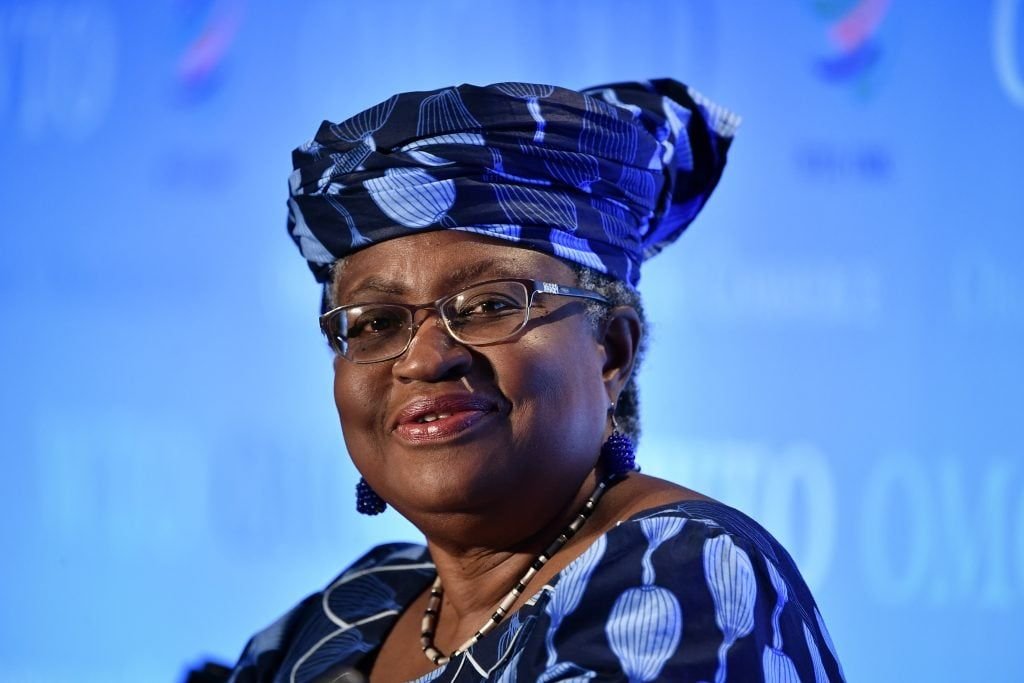
The Director-General of the World Trade Organisation, Dr Ngozi Okonjo-Iweala, has called on Nigeria to launch a targeted campaign to attract global investors and relocating supply chains, in order to spur job creation, strengthen manufacturing, and cut import reliance.
She made the remarks during a panel discussion at Nigeria House on the sidelines of the World Economic Forum in Davos, themed “From Scale to Capital: Financing Nigeria’s Role as Africa’s Digital Trade and Infrastructure Anchor.”
Okonjo-Iweala stated that current global shifts, including geopolitical tensions and corporate strategies to diversify away from single-country dependencies, present a clear opportunity for Nigeria. She noted, however, that capturing a share of these moving supply chains will require aggressive and deliberate marketing of the country to international investors.
“What I would like to see is a continued effort to attract investment into the country,” she said. “We should deliberately have strategies to go after those investments and investors… to come and invest in our country.”
She emphasised that while current economic reforms are moving in the right direction, they must translate into tangible job creation. The WTO DG pointed to specific sectors with high potential for local investment and production, including renewable energy like solar panel manufacturing textiles, and pharmaceuticals.
“Let’s build solar panels in Nigeria. We are importing, but we can also manufacture,” she said, adding that the same logic applies to the vibrant Nigerian fashion industry, which currently relies heavily on imported textiles.
Her comments align with broader trends of supply chain diversification, often termed “China+1,” where companies are spreading production to mitigate risk, though much of this movement remains within Asia.
Also participating in the discussion was the Managing Director of Nigeria’s Bank of Industry, Dr Oludapo Olusi.
In a related development, Nigeria’s Finance Minister, Wale Edun, speaking in a separate Bloomberg interview at the forum, underscored the government’s focus on fiscal discipline and reform credibility amid global economic fragmentation.
He stated the short-term aim is to raise the nation’s tax-to-GDP ratio to 18% to fund social services and infrastructure, reinforcing Nigeria’s commitment to attracting investment and ensuring sustainable growth.


