
News
FG Warns Fuel Subsidy Return Could Reverse Nigeria’s Economic Gains
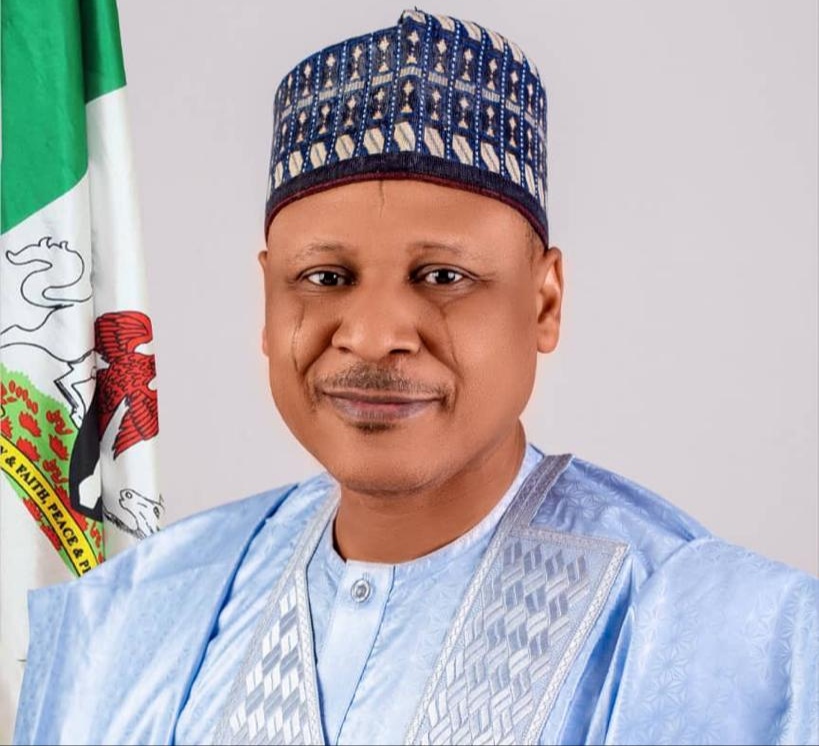
The Federal Government has cautioned against calls for the return of petrol subsidy, warning that reversing the policy could undermine recent economic gains and place additional pressure on public finances.
According to government officials, the removal of fuel subsidy has created more fiscal space for federal, state and local governments, enabling increased spending on infrastructure, social programmes and other development initiatives.
Authorities said resources generated since the subsidy removal have supported investments in transportation, housing, agriculture, education, healthcare and security. The government also noted that additional funding has strengthened the ability of subnational governments to meet salary, pension and other financial obligations.
Officials argued that the reforms have improved investor confidence, contributed to growth in oil production and supported the expansion of domestic refining capacity. They maintained that policy stability remains essential for sustaining economic recovery and attracting long-term investments.
The government further stated that restoring fuel subsidy could recreate the fiscal challenges experienced in previous years, including rising public expenditure, market distortions and pressure on government revenues.
It also highlighted concerns over the cost of existing electricity subsidies, warning that reintroducing petrol subsidy alongside current energy support measures could further strain the country’s finances.
While acknowledging the economic hardships faced by many Nigerians, the government insisted that the focus should remain on expanding the benefits of ongoing reforms rather than reversing them. It stressed that available resources should continue to be directed toward infrastructure development, social welfare programmes, education, healthcare and economic growth initiatives.
The Federal Government reaffirmed its commitment to improving living standards through sustained reforms, arguing that long-term prosperity depends on prudent management of public resources and continued investment in critical sectors of the economy.


