
News
House Deputy Speaker Kalu Urges Shift to Local Arms Production, Directs Banks to Target Terror Financing
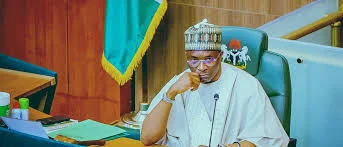
The Deputy Speaker of the House of Representatives, Benjamin Kalu, has called for a fundamental restructuring of Nigeria’s national defense strategy, advocating for the establishment of a robust domestic arms manufacturing industry to end the country’s heavy reliance on imported weaponry.
Speaking at the Nigeria People’s Strategic Conference and Defence Exhibition 2026 in Abuja, Kalu also challenged the financial sector to play a more aggressive role in national security by tightening controls against money laundering and illicit financial flows that sustain criminal syndicates.
The conference, centered on integrating private sector capabilities into the national security architecture, hosted leaders from the defense industry, financial institutions, civil society, and security agencies.
Addressing attendees against a backdrop of persistent regional challenges including terrorism, banditry, and kidnapping Kalu argued that relying on foreign arms suppliers introduces significant strategic vulnerabilities and limits the military’s agility in responding to emerging domestic threats.
“The defense industry must deepen local capacity so that we do not import what we can produce,” Kalu stated. He further outlined specific expectations for other sectors, calling on technology companies to deploy early-warning platforms and urging financial institutions to choke off the conduits of terrorist funding.
The Deputy Speaker emphasized that the legislature is actively building the legal framework to support these institutional shifts. He highlighted a recent landmark constitutional vote in the House of Representatives, where lawmakers voted 289 to 2 in favor of an amendment to legalize State Police a highly debated policy aimed at decentralizing law enforcement to improve local response times.
Rejecting narratives that characterize Nigeria as a failing state due to its persistent economic and security pressures, Kalu maintained that the country remains resilient but requires urgent structural reforms.
“Nigeria is not failing. Nigeria is fighting,” Kalu said, noting that public resilience must now be matched by robust policy, clearer inter-sectoral responsibilities, and sustained political commitment to protect lives and property.


