
News
Russia-Ukraine crisis: Severe sanctions could trigger crippling Moscow response
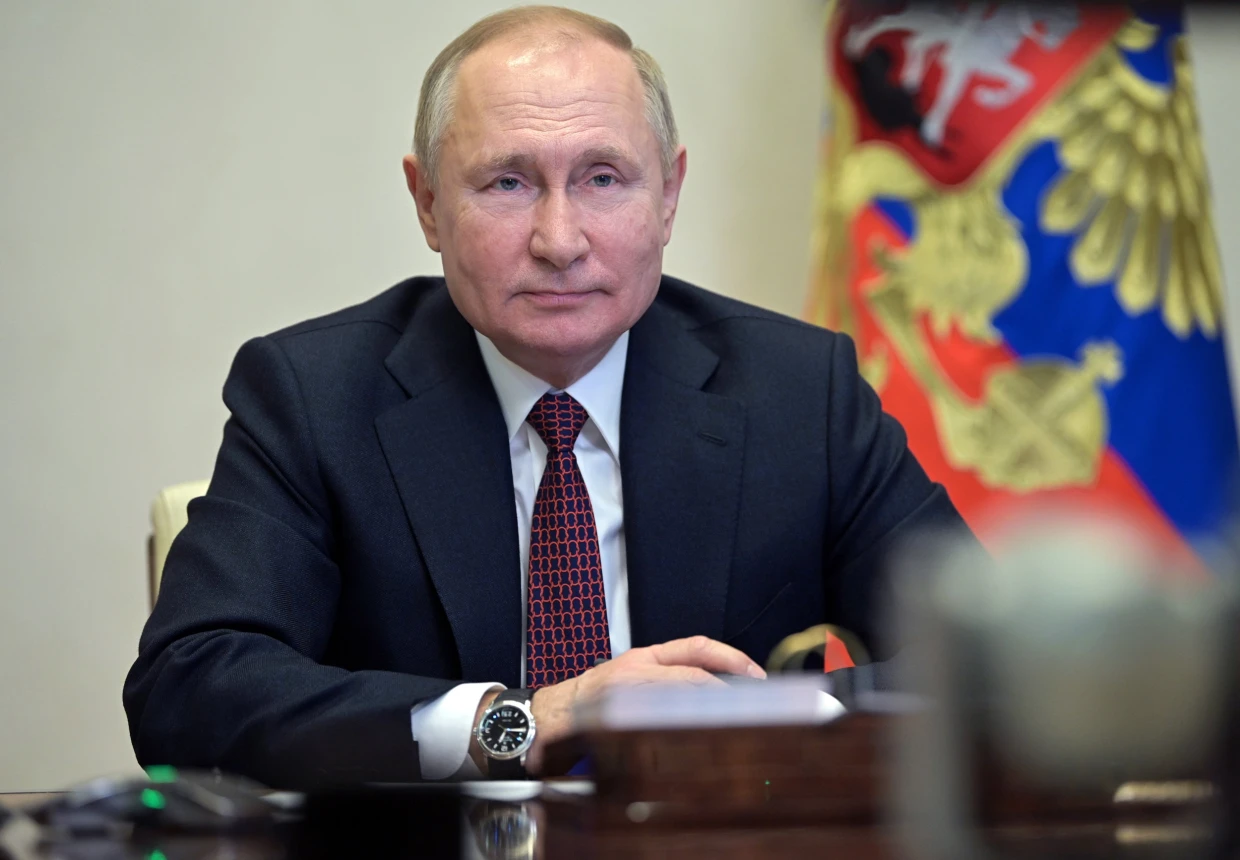
Russia could use its oil and gas to inflict economic pain on the West, experts say.
The U.S. is threatening painful sanctions against Russia if it launches an attack on Ukraine, but Moscow could hit back at the West by throttling natural gas supplies to Europe or triggering a spike in oil prices, experts and former U.S. officials say.
The Biden administration says it’s holding talks with gas companies and European governments to prepare for possible Russian attempts to disrupt the flow of natural gas to Europe, but it’s not clear whether Washington and its allies will be able to offset a concerted retaliation by Russia, former officials and industry experts said.
A short disruption on a limited scale could be managed, although natural gas prices would rise further and governments would have to help subsidize the effort, industry analysts said. However, a major cut in gas supplies over a sustained period could have devastating consequences.
“It could be very, very difficult for companies or countries to come up with enough supply to close a very big gap,“ said Kevin Book, the managing director at ClearView Energy Partners.
“Russia can dig a bigger hole in supply than the West can plug,” Book said. “That’s just a matter of molecules and math.”
The potential economic confrontation between Moscow and Washington represents uncharted territory, as Washington has never imposed drastic sanctions on an economy of Russia’s size and importance. And if it is faced with unprecedented sanctions, Russia would be likely to choose to respond in an unprecedented way that could have ripple effects in the U.S. economy and around the world, experts said.
“The Kremlin’s ability to meaningfully retaliate is significant,” said Adam Smith, who was a senior sanctions official in the Obama administration and is now a partner at the law firm Gibson Dunn.
If the U.S. imposes the sweeping sanctions it has threatened, China will be watching closely. “This Russia case is really going to test the ability of the Western powers to use sanctions against great powers,” Smith said.
Imposing sanctions on some major Russian commercial banks or restricting Russia’s access to bond markets — measures the administration is considering — could cause some collateral damage to Western companies or investors, and U.S. officials are looking at how to carve out exceptions to soften any harmful effects, former officials said.
In response to U.S. sanctions, Russia also could orchestrate a campaign of cyber hacking and ransomware attacks that could disrupt Western markets and industries, experts say. But the most serious blowback from a U.S. sanctions package against Russia would almost certainly come in the energy sector, where Russia is a world player with resources that move markets, experts said.
Despite pleas from the U.S. and Eastern European governments over the years, Europe remains dependent on Russian gas. Moscow is Europe’s main supplier, providing about 40 percent of the continent’s gas. It also provides more than half of Europe’s coal, and it is a leading supplier of crude oil.
Germany is even more dependent, relying on Russia for more than 50 percent of its gas, and Russia’s state-owned energy giant Gazprom owns many of Germany’s underground storage sites.
European governments have sought to shift to greener sources of energy, and their own oil and gas production has declined.
Europe uses about 400 billion to 500 billion cubic meters of gas a year, and Russia provides about 130 billion to 170 billion cubic meters to Europe annually, with a third of that moving through pipelines in Ukraine.
If Russia squeezed gas supplies, European countries could try to make up the difference in shipments of liquefied natural gas from the U.S. and the Middle East.
Experts say that if Russia were to cut off gas supplies entirely, a drastic and unlikely move, there isn’t enough liquefied natural gas available on the world market to make up the difference.
If Russia were to cut off the approximately 40 billion cubic meters of gas that flows through Ukraine, it would be a challenge to make up the shortfall through liquefied natural gas shipments or other energy sources. But making up the shortfall would also have consequences: gas prices would rise further and governments would have to subsidize the effort, experts said.
About two-thirds of the world’s liquefied natural gas cargo is already under contract, and governments might have to cover the cost of firms’ breaking contracts to divert it to Europe from other markets, experts said.
Europe’s capacity to receive the natural gas shipments is also limited, and it would be a struggle to accommodate a major increase in deliveries depending on how much gas is needed to make up for shortfalls, experts said.
U.S. officials have held talks with Qatar, one of the world’s biggest exporters of liquefied natural gas, to see whether Doha could help cushion the blow of reduced supplies. But Qatar is already producing at full capacity, and most of its shipments are already en route to Asia under long-term contracts, Bloomberg News reported.
Russia has cut off gas supplies before, but only briefly during disputes with Ukraine. In 2009, gas supplies were shut down for nearly two weeks in wintertime, forcing Slovakia and some Balkan countries to ration gas and cut power supplies.
If Russia carried out a major cutback on gas deliveries, European countries would have to consider rationing and governments would have to decide how much they were willing to share gas and energy resources with their neighbors.
After Russia invaded Ukraine in 2014 and seized the Crimean peninsula, the Obama administration chose to avoid large-scale sanctions against Moscow, partly because of fears that Russia could wage economic warfare of its own by exploiting vast oil and gas reserves, according to former officials.
But Biden administration officials say they are confident that natural gas producers will be able to ramp up production to help offset any Russian attempt to squeeze supply.


