News
South East Leaders Appeal to Tinubu, Seek $10 Billion to Bridge Infrastructure Gap
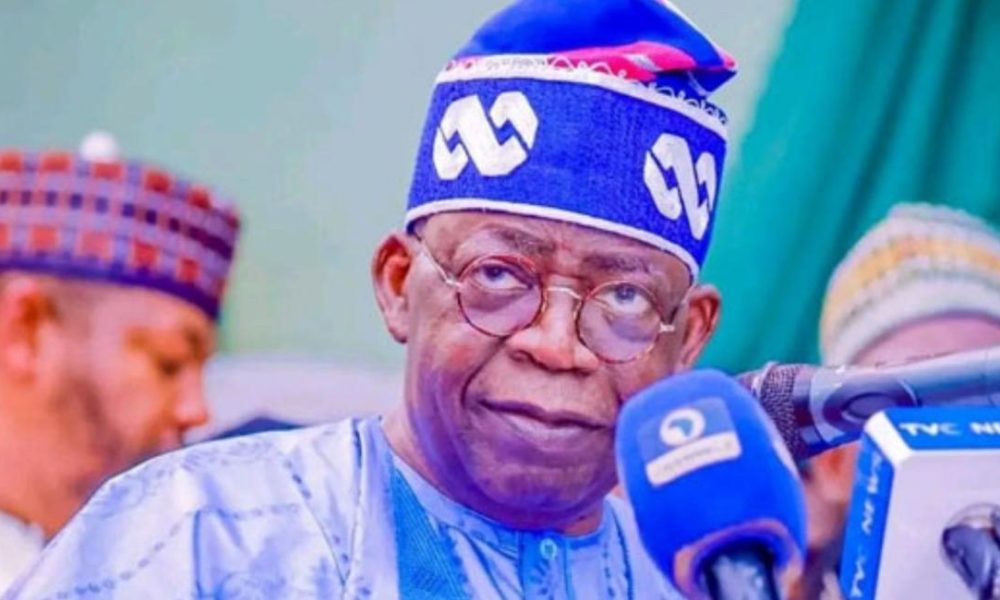
Regional leaders have made a passionate appeal to the Federal Government to address a crippling $10 billion infrastructure deficit in the South East, framing the intervention as crucial for national reconciliation.
The call was issued during the ongoing “South East Vision 2050 Regional Stakeholders Forum” in Enugu, which aims to craft a 25-year development plan for the region.
Senator John Azuta-Mbata, President General of Ohanaeze Ndigbo Worldwide, described the South East Development Commission (SEDC) as a vital “instrument of reconciliation and healing.” He pointed to longstanding “feelings of exclusion, neglect, and unresolved grievances” that undermine national unity.
“This is the time to heal. It is the time to replace suspicion with trust,” Azuta-Mbata stated, urging “appropriate and sustained funding” for the SEDC to rebuild trust and foster inclusion.
Echoing the scale of the challenge, the Managing Director of the SEDC, Dr. Mark Okoye, detailed the region’s immense needs. He criticized past “disjointed development initiatives” and called on the five South East states to collaborate on large-scale projects instead of competing for minor resources.
Okoye specifically proposed a joint 600-megawatt power plant to drive industrialization. He also highlighted a significant opportunity in pooling the region’s estimated $4 billion in annual diaspora remittances, which currently remain fragmented, into major infrastructure like gas pipelines and railways.
A warning was sounded by development practitioner Betty Anyanwu-Akeredolu, who insisted the new vision must not become another unused “aspirational document.”
“For many of our people, development begins with simple things: good roads… reliable electricity… clean water,” she emphasized, stressing that women and youth must be central to the plan.
Representing the host governor, Prof. Chidiebere Onyia affirmed that no single state can achieve transformational growth alone. He described the forum as a “defining milestone” to overcome fragmented efforts and institutionalize reforms for lasting progress.
The forum continues with technical sessions focused on key sectors including agriculture, digital economy, and transportation.