News
Coalition of 1,500 Groups Declares Support for Tinubu’s Second Term Bid
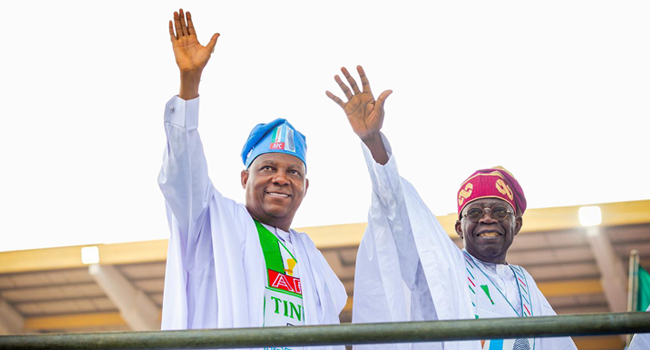
A coalition of political support groups, operating under the umbrella of the Tinubu Mega Group, has formally endorsed President Bola Tinubu for a second term in office, ahead of the 2027 presidential election.
The endorsement took place on Tuesday during a “National Unity Rally” in Abuja, which organisers said brought together over 1,500 organisations, including professional bodies, civil society groups, youth and women associations, traders, artisans, religious leaders, and grassroots mobilisers from all 36 states and the Federal Capital Territory.
Addressing the rally, the National Spokesperson of the group, Tijani Danjuma, said the gathering reflected growing nationwide support for the President and his reform agenda. He described the endorsement as a choice by Nigerians for continuity over what he called “confusion and progress over propaganda”.
Danjuma stated that the coalition was presenting the backing of what it described as “20 million Nigerians” for another four years of the Tinubu administration, arguing that ongoing economic reforms require time and consistency to yield results.
He acknowledged prevailing economic hardship and global pressures but insisted the administration had shown courage in tackling long-standing structural challenges. He pointed to infrastructure projects, local refining initiatives, social intervention programmes, and economic reforms aimed at stabilising the economy and attracting investment.
The spokesperson also highlighted the student loan scheme, efforts to strengthen the naira, and measures to boost food production and reposition the economy for long-term growth.
The rally comes amid early political realignments and mobilisation by support groups ahead of the 2027 general elections, with political actors already positioning themselves even though the polls are more than a year away.
President Tinubu, who took office in 2023 on the platform of the ruling All Progressives Congress, has consistently defended his administration’s economic policies.
Since his inauguration, he has overseen the removal of petrol subsidy and the unification of the foreign exchange market measures that led to sharp increases in fuel prices, transportation costs, and inflation, triggering widespread economic hardship across the country.