
News
Falana Calls for 450,000bpd Crude Supply to Local Refineries, Seeks Lower Petrol Prices
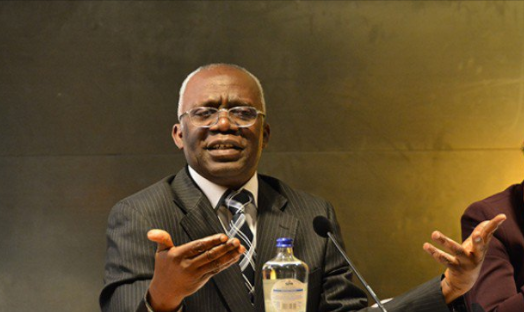
Senior Advocate of Nigeria and human rights lawyer, Femi Falana, has urged the Federal Government to allocate the 450,000 barrels of crude oil designated daily for domestic consumption to local refineries, saying the move could help reduce petrol prices and strengthen the nation’s economy.
Falana made the appeal during a television programme on Sunday, where he raised concerns over the continued importation of petrol despite the availability of crude oil and increasing domestic refining capacity.
He argued that crude meant for local use should be channelled directly to refineries operating within the country, noting that such a policy would enable authorities to exercise greater control over fuel pricing while reducing dependence on imported petroleum products.
The senior lawyer questioned why Nigeria still imports a substantial portion of its petrol needs when local refineries are capable of supplying both domestic and export markets. He maintained that prioritising domestic refining would conserve foreign exchange, boost economic growth and provide more affordable fuel for consumers.
Falana also called for greater transparency in the management of the crude allocation reserved for local consumption, insisting that Nigerians deserve clarity on how the resource is being utilised.
On the broader economic landscape, he criticised policies that rely heavily on currency devaluation, arguing that a weaker naira only increases the cost of goods in an import-dependent economy. According to him, governments across the world routinely intervene in markets to protect citizens and stabilise key sectors.
He further advocated the revival of Nigeria’s state-owned refineries, stressing that a combination of functioning public refineries and adequate crude supply to private operators could significantly reduce the country’s reliance on imported fuel.
Falana linked the fuel import challenge to the economic hardship facing many Nigerians, noting that increased revenues generated since the removal of fuel subsidy have not translated into meaningful improvements in living standards.
He therefore urged citizens to demand accountability from federal, state and local governments over the utilisation of public funds and increased allocations. He also called for the full enforcement of local government financial autonomy, saying direct access to statutory allocations would promote development and improve governance at the grassroots.
The legal practitioner maintained that redirecting the country’s domestic crude allocation to local refineries remains one of the most effective steps towards lowering fuel costs, strengthening the naira and reducing pressure on the economy.


