News
Japanese Assembly Backs Restart of Idled Nuclear Plant

A Japanese regional assembly took a decisive step on Monday toward reactivating the world’s largest nuclear power plant, bringing it closer to generating electricity for the first time since the 2011 Fukushima disaster.
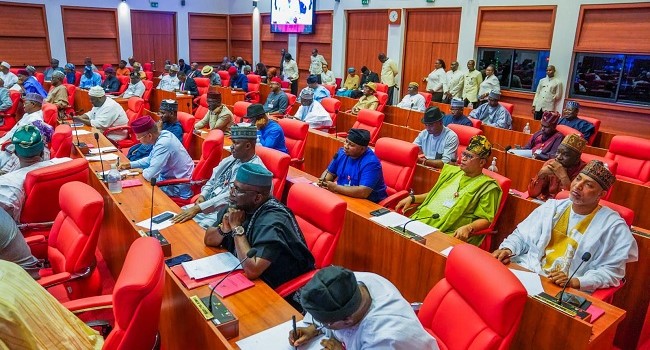
The Niigata Prefectural Assembly approved an extra budget bill that included a supplementary resolution endorsing the restart of the massive Kashiwazaki-Kariwa facility. This vote follows the approval last month by Niigata governor Hideyo Hanazumi, signaling growing local consensus to revive the idled plant.
“The measure is approved by a majority vote,” declared the assembly speaker, as most members of the 53-seat body stood in support.
The Kashiwazaki-Kariwa plant, operated by Tokyo Electric Power Company (TEPCO), was taken offline along with Japan’s entire nuclear fleet following the catastrophic earthquake and tsunami in March 2011. That event triggered meltdowns at three reactors in the Fukushima Daiichi plant, leading to mass evacuations and a nationwide reckoning on atomic energy.
Now, more than a decade later, resource-poor Japan is actively reversing course. Faced with soaring energy import costs, ambitious carbon neutrality goals by 2050, and rising electricity demands from sectors like artificial intelligence, the government is pushing for a nuclear revival. The move aims to drastically reduce the nation’s heavy reliance on imported fossil fuels like coal, gas, and oil, which met nearly 70% of its power needs in 2023.
With this critical local political hurdle cleared, TEPCO is expected to formally request final operational permission from Japan’s Nuclear Regulation Authority (NRA) before the end of the year. The utility has already secured technical approval, having met the country’s stringent post-Fukushima safety standards. The focus now shifts to the national regulator’s final green light.
Japanese media, citing sources, report that TEPCO is considering restarting one of the plant’s seven reactors as early as January 20. Governor Hanazumi is scheduled to meet Industry Minister Ryosei Akazawa on Tuesday to officially convey the prefecture’s support for the restart, according to local broadcaster BSN.
Prime Minister Sanae Takaichi has publicly advocated for nuclear power, underscoring its role in Japan’s energy security and climate strategy.
As the world’s fifth-largest emitter of carbon dioxide, Japan is under pressure to clean up its energy mix. The government aims to slash the share of fossil fuels in power generation to 30-40% within 15 years.
Before the 2011 disaster, nuclear energy supplied about a third of Japan’s electricity. Since then, 14 reactors across the country have resumed operations under the new safety regime, though all are located in western and southern Japan.
The restart of Kashiwazaki-Kariwa, located on the country’s west coast, would mark a significant milestone in Japan’s protracted and contentious return to nuclear power, bringing the world’s largest atomic facility back online