News
Minaj Speaks Out on Nigeria Persecution Claims
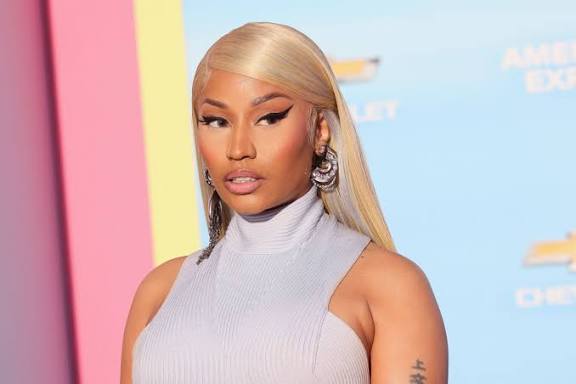
American rapper Nicki Minaj explained her decision to speak publicly about alleged persecution of Christians in Nigeria, citing personal connections to the country and reports of violence against worshippers. She made the comments during a surprise appearance at the AmericaFest conference on Sunday.
Responding to a question from Erika Kirk, the widow of commentator Charlie Kirk, Minaj referenced her affection for Nigeria. “Nigeria is a place I’ve always loved. Someone very dear to me, my pastor, is Nigerian, and I have lots of Nigerian friends,” she said. “So hearing that people are being kidnapped while they’re in church, people are being killed, brutalized, all because of their religion — that should spark outrage.”
She added a broader call to action, stating, “We’re not backing down anymore. We are not going to be silenced by the bullies anymore. We will speak up for Christians wherever they are in this world.”
Minaj also spoke on the global state of religious freedom, stressing that many take the right to worship for granted. “We take for granted that there, right now in this world, are people who cannot worship God as they please, where they please,” she said.
The rapper had previously engaged with the issue on social media, sharing a post from former U.S. President Donald Trump in which he claimed “Christianity is facing an existential threat in Nigeria.” Minaj responded at the time by writing, “Reading this made me feel a deep sense of gratitude. We live in a country where we can freely worship God.”
At the event, she also praised Trump and Vice Presidential candidate JD Vance as leaders who understand the concerns of ordinary Americans. During the session, Minaj argued that challenges to religious expression are not limited to other nations. “Christians have been persecuted right here in our country in different ways,” she said.
The Federal Government of Nigeria has repeatedly rejected claims of a coordinated or systematic campaign against Christians, describing such narratives as misleading.
The government maintains that insecurity in the country is a complex issue affecting Nigerians of all religious backgrounds and is not driven by state-backed religious persecution.