News
NCP Warns of Democratic Collapse as Nigeria’s Voter Turnout Hits Record Low
A prominent civic organization has raised an alarm over what it calls Nigeria’s dangerous slide toward democratic failure, citing official data showing a precipitous decline in voter participation over the past decade.
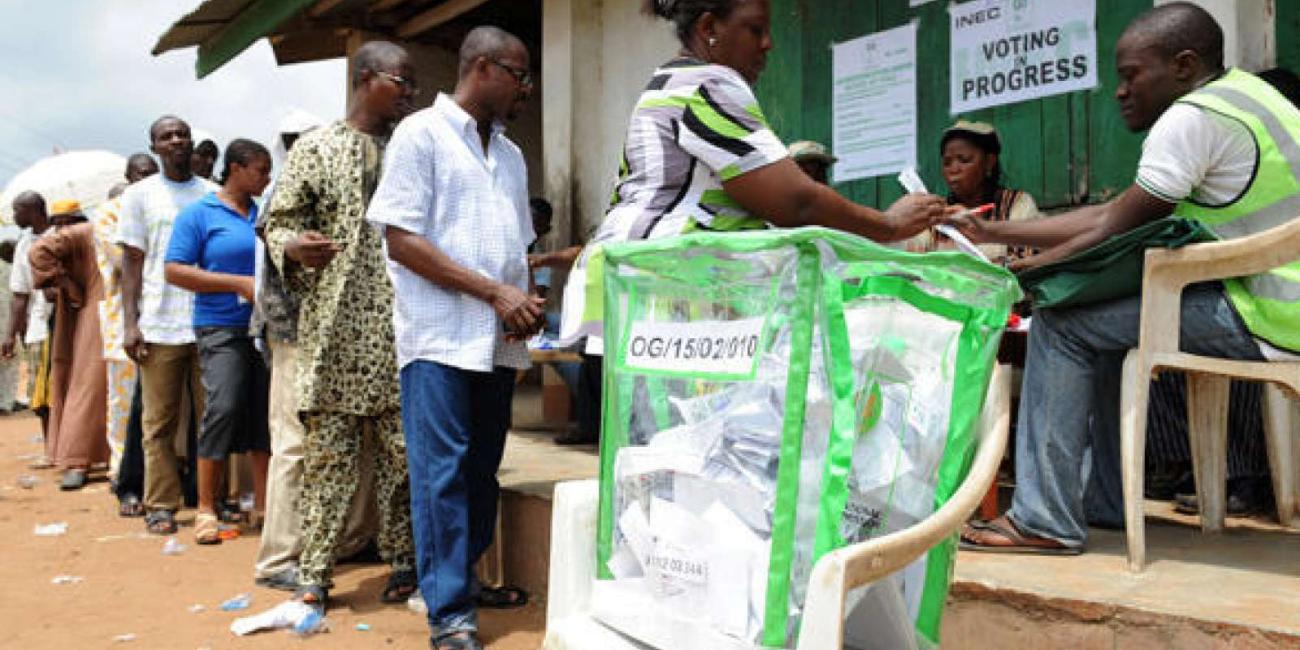
The National Conscience Platform (NCP) issued the warning, pointing to figures from the Independent National Electoral Commission (INEC) that reveal voter turnout plummeted from 54% in 2011 to approximately 27% in the 2023 general elections the lowest rate since the return to civilian rule in 1999.
In a statement by its interim coordinators, Comrade Babatunde Agunbiade and Barrister Wale Ogunade, the NCP framed the trend as a fundamental crisis of confidence. “Democracy is not only threatened by coups; it is dismantled when citizens lose faith that their votes matter,” the statement read.
The warning comes despite Nigeria operating one of Africa’s most costly electoral systems, with election budgets consuming billions of naira for technology, logistics, and security. The NCP questioned this disparity, asking, “What exactly is Nigeria spending on elections, and why are outcomes worsening?”
The group squarely placed blame on the legislative branch, citing a continued delay in amending electoral laws at the National Assembly. This stalling, the NCP argues, preserves a system that favors incumbents, weakens opposition, and erodes multiparty democracy.
It highlighted that a comprehensive reform roadmap has existed since 2008, following the Justice Mohammed Uwais Electoral Reform Committee, but most of its key recommendations remain unimplemented sixteen years later.
Citing surveys that show less than one-third of Nigerians believe elections reflect the people’s will, the NCP warned that evaporating trust leads to fractured legitimacy and coercive governance. It also expressed concern over a trend of shrinking political competition, raising fears of a drift toward de facto one-party rule.
In response, the NCP announced it is initiating Freedom of Information requests to INEC and other institutions to demand transparency on electoral spending, procurement records, and party funding oversight.
“Electoral reform is not a favour… It is a national accountability and security imperative,” the organization stated, calling on journalists, civil society, labour groups, and faith leaders to treat the situation as a critical turning point, concluding that “silence now is complicity.”