Sports
Pinnick warns critics to stop de-marketing Nigeria after NFF funds allegations
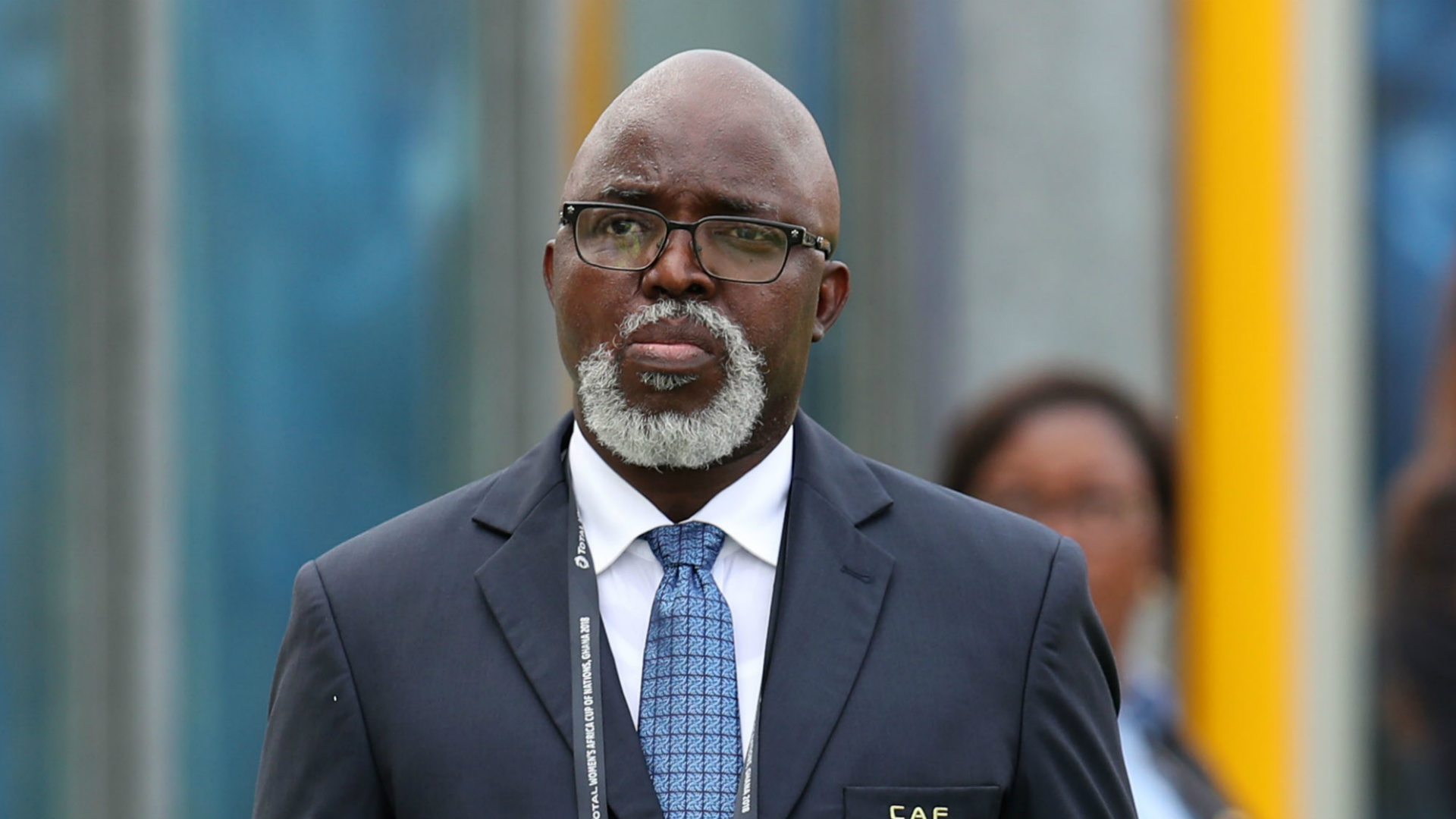
Amaju Pinnick, the former President of the Nigeria Football Federation (NFF) has called out the critics of the football body’s financial management, warning that such accusations are damaging Nigeria’s reputation internationally.
Pinnick noted that the unending scrutiny and allegations of misappropriation against the federation were not only unfair but also “de-marketing” the country in the eyes of the world.
“We should stop maligning institutions in Nigeria. I’m just appealing because it doesn’t make us look good on the international scene,” Pinnick said during an interview on Arise TV on Wednesday, November 5.
Recall, the NFF has came under heavy criticism following allegations that it misused funds from the FIFA Forward 2.0 Programme, which were earmarked for the construction of two mini stadiums reportedly valued at $1.2 million each.
The federation was accused of mismanaging the grants, even though the NFF has repeatedly denied the claims.
Pinnick, under whose leadership the FIFA grants were allocated, defended the institution, insisting that the attacks on the NFF and other sports agencies were based on misinformation and resentment.
The former football administrator warned that the constant negative narratives around government agencies were affecting Nigeria’s chances of hosting major international events.
“It de-markets this country. We just lost our bid to host the Commonwealth Games. I know what somebody told me about it,” Pinnick lamented.
“Whenever we want to host any tournament, Nigeria is almost a red flag because we de-market this country by the minute.”
Pinnick urged Nigerians to be more supportive of the government and national institutions instead of amplifying unverified allegations.
“If the government is even doing something good, I think we should complement them, work with them and pray for them,” he said.
“We don’t have any other country. Nigeria is the sweetest and the best country on this continent.”
Pinnick, who also served on the FIFA Council, said the level of animosity and distrust in Nigeria’s public space discourages professionals from taking up government or public service roles.
“When I see people say things, it makes me not enthused to be involved in government because the toxicity, the bitterness, hatred, and animosity are too much, when they don’t even know the truth,” he said.
He added that the negative perception of Nigerians abroad had worsened because of internal criticism and stereotyping.
“When I travel abroad, we’re double-checked simply because we’re Nigerians. I don’t want to travel anymore,” Pinnick stated.
The former president of the Nigeria Football Federation (NFF) connected the country’s credibility issues to wider challenges facing Nigerian sports, such as logistics and the mobility of fans for international tournaments.
Referring to the Super Eagles’ qualification campaign for the 2026 FIFA World Cup, Pinnick stated that these negative portrayals could even impact traveling fans.
“We’ll be at the World Cup by God’s grace, but how many people can get an American visa in Nigeria?” He asked.
He added that while he was not defending every decision made by the federation, it was important for public discourse to remain factual and constructive.
“I’m not holding fault for the federation, but I’m an officer of the Federal Republic, and it is on us to say the truth when we see fit,” Pinnick concluded.